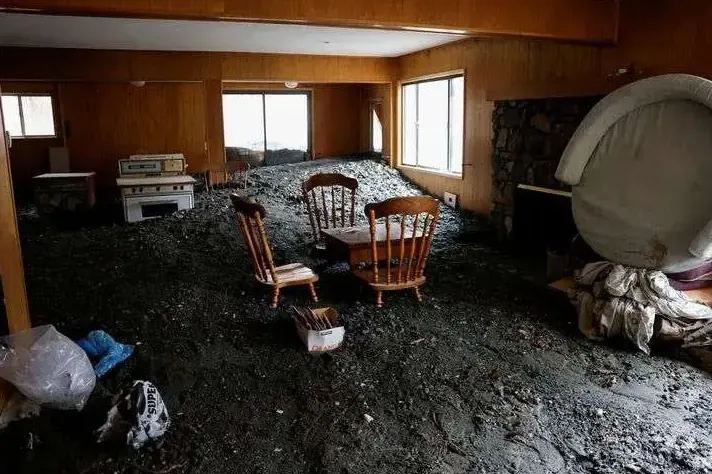
When creek water enters a house, the problem is bigger than wet carpet, because that water carries silt, yard runoff and bacteria into every material it touches.
Key takeaways
- Creek and river water is contaminated, so porous materials it soaks usually come out instead of being saved.
- Southtown flooded in 2008, 2015 and again in May 2022, when damage reached about $2 million.
- Standing water is pumped out first, then wet drywall, pad and insulation are removed before drying starts.
- Photos taken before anything is moved support insurance and city assistance conversations later.
- A home that took on creek water once is worth checking again after the next big storm.
Why Southtown keeps coming up after big rain
The Arkansas River splits the city into north and south portions, and the original town center sits south of the river.
Southtown lies in that southern part, in the path of the creeks that drain toward the river.
The neighborhood flooded badly in 2008 and 2015. In May 2022 it flooded again, and the damage added up to about $2 million.
Anyone living near a creek learns that the water does not need a big river to cause trouble. A strong storm over saturated ground can raise a small creek quickly.
Knowing the history helps a household decide how much to prepare and how fast to act when the next storm warning arrives.
- 2008: an earlier major Southtown flood.
- 2015: another major flood in the same neighborhood.
- May 2022: about $2 million in flood damage, followed by city dumpsters offered to residents.
What residents and the city said about the creek
After the 2022 flood, some residents pointed to debris in Little Snake Creek as part of the reason water backed up.
The city manager said photos showed no true blockage. Either way, the cleanup inside the house is the same: the water has already arrived and has to be dealt with.
The city also offered dumpsters to residents, which says a lot about how much ruined material comes out of a flooded home.
The first hours inside a flooded house
Creek water is treated as contaminated from the moment it crosses the threshold, so the first rule is to keep people and pets out of it.
Photograph every room and the waterline on the walls before anything is lifted or thrown away.
A flooded house can feel overwhelming, so it helps to work in a short order: safety, photos, then removal.
Wet materials left in place keep getting worse, and that is the main reason early action saves money later.
What to do before help arrives
Turn off power to affected areas only if the panel is dry and reachable without stepping into water.
Lift small valuables onto dry shelves, but leave heavy furniture alone until the water is gone.
- Photograph the waterline, the floors and the contents.
- Keep children and pets away from standing water.
- Wear boots and gloves if you must walk through it.
- Write down when the water came in and how high it rose.
What not to do
Do not run a household vacuum on wet floors or plug anything in while standing in water.
Do not wait for the yard to drain before calling someone, because wet drywall and pad begin to break down quickly.
How the water comes out
Truck mounted and portable pumps pull standing water first, because every inch left behind keeps wicking into walls and framing.
After the bulk is gone, extraction wands pull water out of carpet, pad and the first few inches of wall base. The water extraction work is the step that decides how much of the house can be dried instead of torn out.
Heavy silt is a sign the water carried yard soil with it. That silt settles into carpet fibers and under cabinets, so it has to be shoveled and washed out, not just vacuumed.
Cabinets and vanities on ground level often need their toe kicks removed so water behind them can be reached.
- Standing water is pumped from floors, garages and ground level rooms.
- Carpet and pad that touched creek water are cut out and bagged.
- Silt and debris are shoveled and hauled before any drying equipment goes in.
What gets removed and what can be saved
Porous materials that sat in contaminated water, such as pad, insulation and soft drywall, are usually removed.
Hard surfaces like tile, sealed concrete and framing can be cleaned and sanitized, then dried in place.
Insurance adjusters usually want to see the damage before it is hauled away, so keep a few pieces as samples and record the rest on camera.
A written list of removed materials, room by room, makes the claim conversation simpler.
- Removed: carpet pad, wet insulation, drywall below the waterline, soaked baseboards.
- Cleaned and kept: studs, subfloor, concrete, tile and solid wood trim where possible.
- Decided room by room with a moisture meter, not by guesswork.
Drying after the demolition
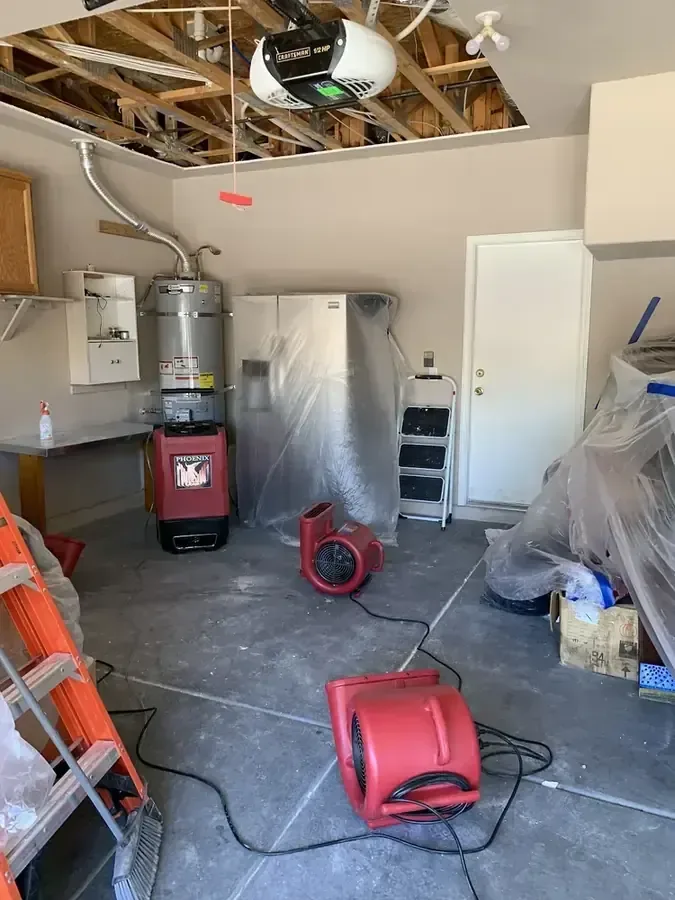
Once the wet material is out, air movers and dehumidifiers run on the exposed framing until readings return to normal.
The structural drying step is measured daily, so equipment leaves only when the wood and concrete are actually dry.
A full river and creek flood cleanup covers all of this under one plan, from sanitizing to final readings.
Drying a flooded house is slower than drying a small leak, because the water went deeper and the materials are heavier.
Expect equipment to run for several days, with the team checking readings and moving machines as walls dry out.
- Air movers placed low along walls.
- Dehumidifiers sized to the volume of the space.
- Cavity drying behind baseboards where drywall was cut.
Getting ready for the next heavy rain
Flood plain areas south of the river were on the city evacuation list in May 2019, with soil already saturated, so the risk is not limited to one storm.
The Bixby flood readiness check helps a household decide what to move, photograph and keep ready.
FEMA is working on floodplain map changes for Tulsa County, so it is worth watching what the new maps say about your street.
Move vehicles, tools and stored boxes off the floor if a storm is forecast and the creek is already running high.
Know where the shutoff for electricity is and keep a flashlight, gloves and boots where you can reach them.
- Keep important papers in a waterproof bag.
- Photograph each room while it is dry, as a before record.
- Save the numbers for the city, your insurer and a restoration team in one place.
Questions
Is creek flood water safe to clean up myself?
Creek water carries silt, sewage and runoff, so it is contaminated. Small jobs with gloves and boots are possible, but wet drywall, pad and insulation should be removed and the framing sanitized and dried.
Why does Southtown flood more than other parts of the city?
The neighborhood sits south of the Arkansas River near creek drainage. It flooded in 2008, 2015 and May 2022, so the pattern is documented.
Should I photograph the damage before cleanup?
Yes. Photograph the waterline, floors, contents and any debris before anything is moved, since those pictures support insurance and assistance requests.
Can drywall that touched creek water be kept?
Usually not. Porous drywall, insulation and pad that sat in contaminated water are removed, while framing and concrete can be cleaned and dried.
When does drying stop?
Drying ends when moisture readings on framing and floors return to normal levels, not on a fixed number of days.