Water Damage Restoration Coweta, OK
A burst pipe, a failed water heater or creek runoff can soak a Coweta home fast. Crews extract the water, dry the structure to the IICRC S500 standard and document the loss for your claim.
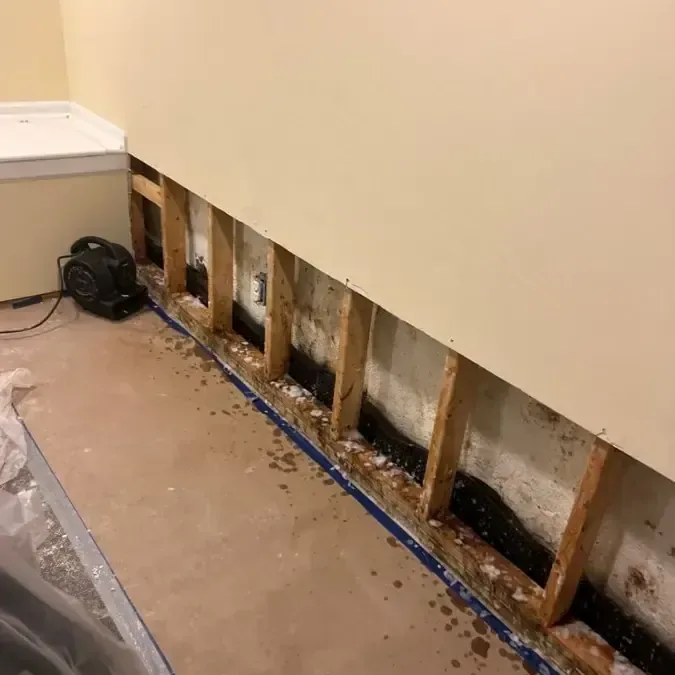
Water Damage Restoration Services in Coweta, OK
Twelve kinds of water loss get their own page, from a quick extraction after a supply hose fails to drying out a commercial floor.
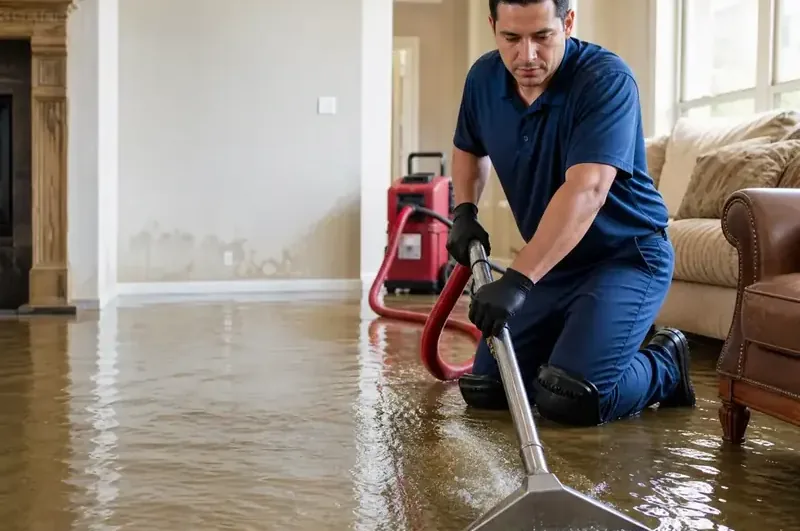
Water Extraction and Removal
Pumps and extractors pull standing water off floors and out of carpet pad before it wicks into walls.
Service details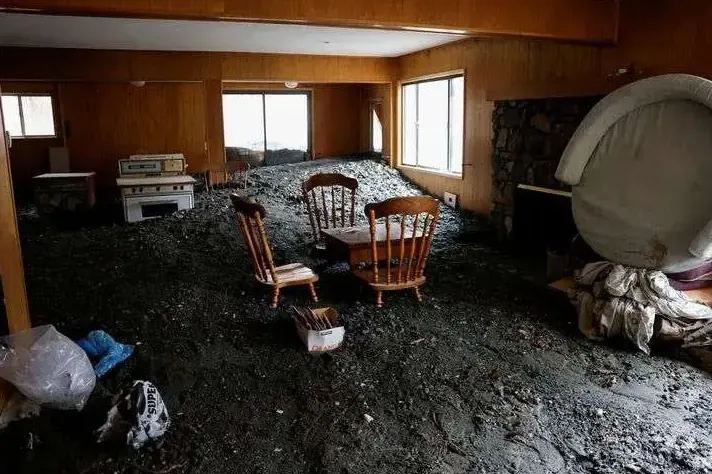
River and Creek Flood Cleanup
Creek and river overflow, drainage trouble and storm runoff get cleared, sanitized and dried out.
Service details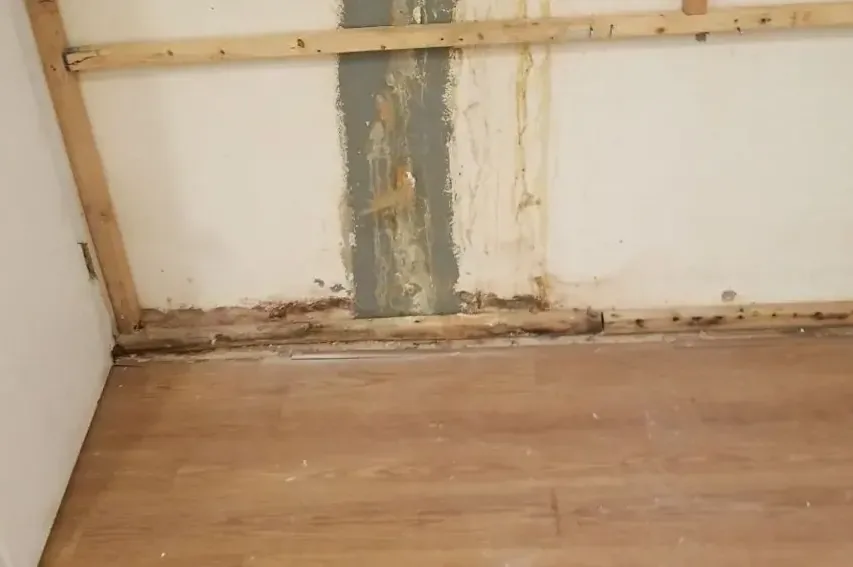
Burst Pipe Water Damage
A split supply pipe is shut off, the soaked materials are opened up and the cavity is dried.
Service details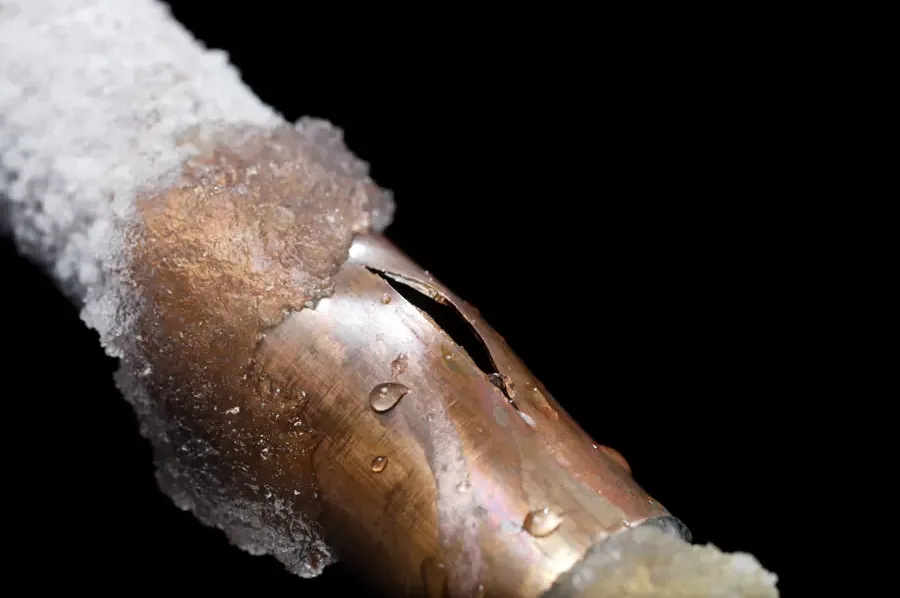
Frozen Pipe Water Damage
Pipes that freeze and split during a hard cold snap leave water behind walls once the thaw arrives.
Service details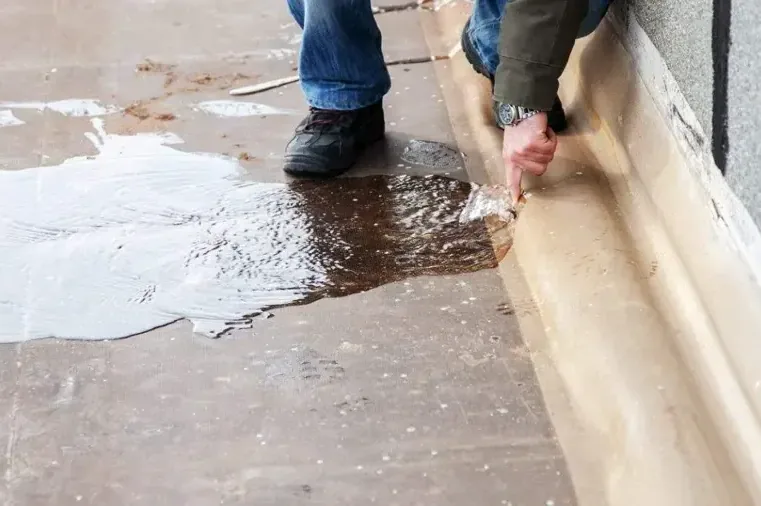
Slab Leak Water Damage
Hidden water beneath a floor is traced, then wet flooring and the surrounding structure are dried.
Service details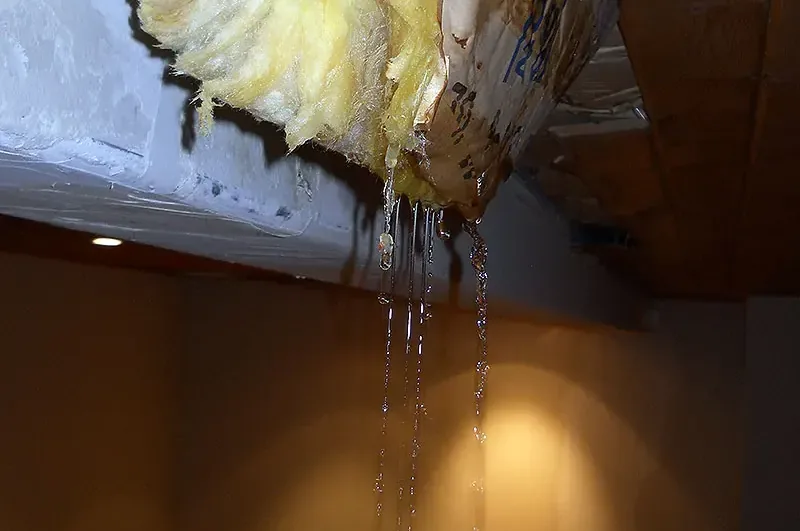
Roof Leak Water Damage
Rain that breaks through a roof soaks insulation, drywall and framing, so each layer gets dried.
Service details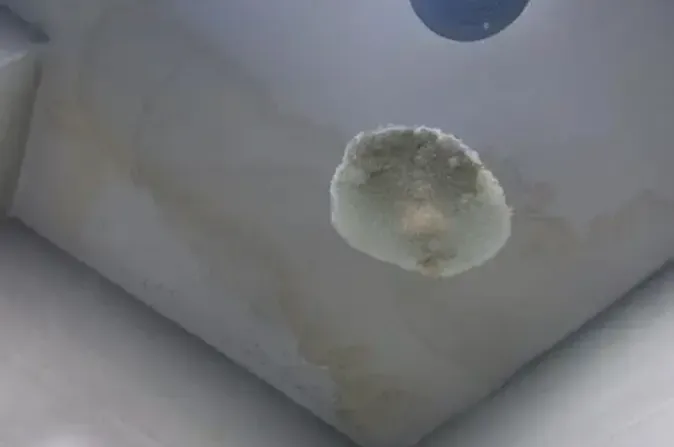
Ceiling Leak Water Damage
Stained or sagging ceilings are opened where needed, and the wet cavity above is dried completely.
Service details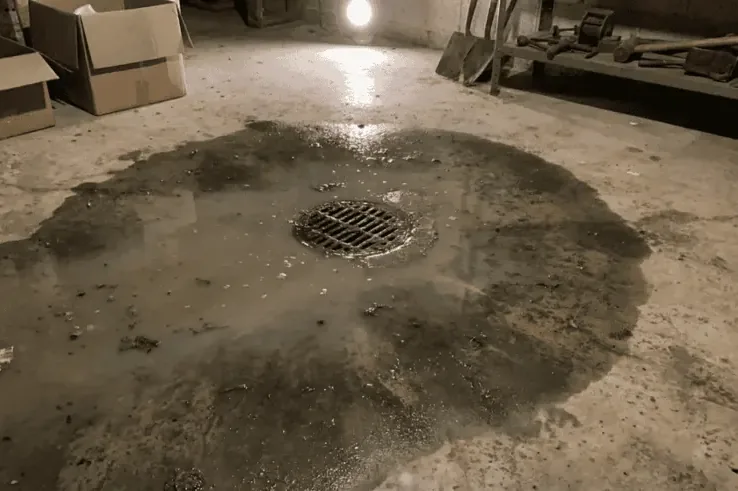
Sewage Backup Cleanup
Contaminated backup water is removed, affected materials are cut out and the area is disinfected.
Service details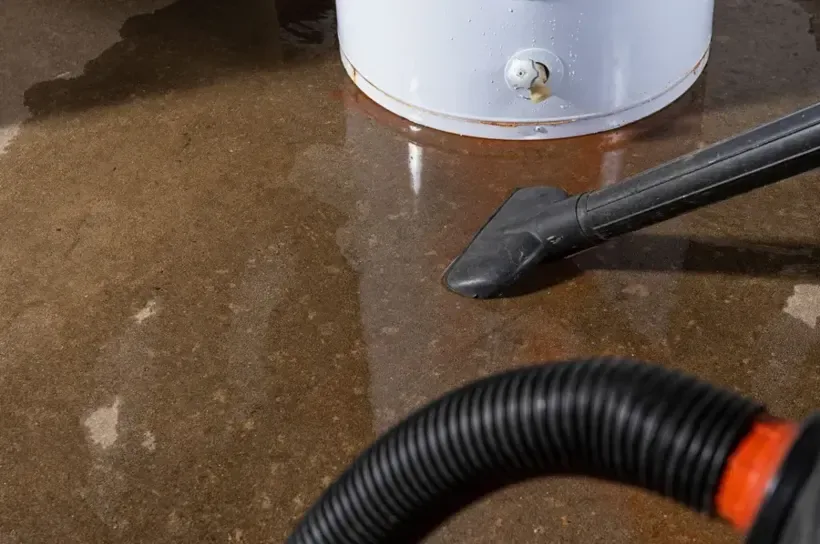
Water Heater Leak Cleanup
A failed tank spreads water across the garage or closet floor, and crews dry everything it touched.
Service details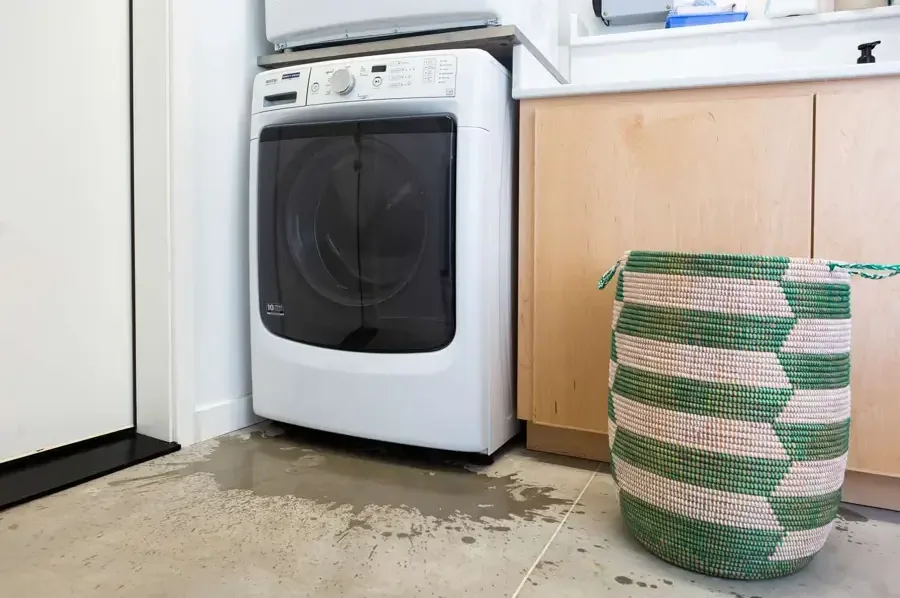
Appliance and Supply Hose Leaks
Washer, dishwasher and fridge supply hoses fail quietly, so hidden moisture is found and dried.
Service details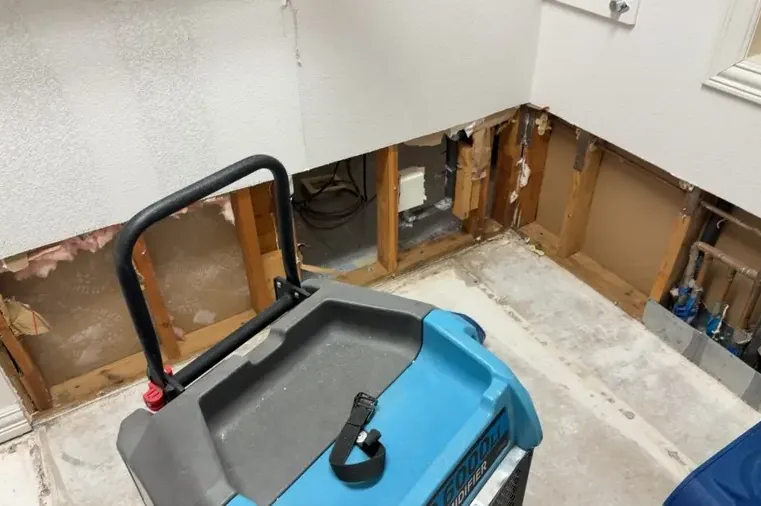
Structural Drying and Dehumidification
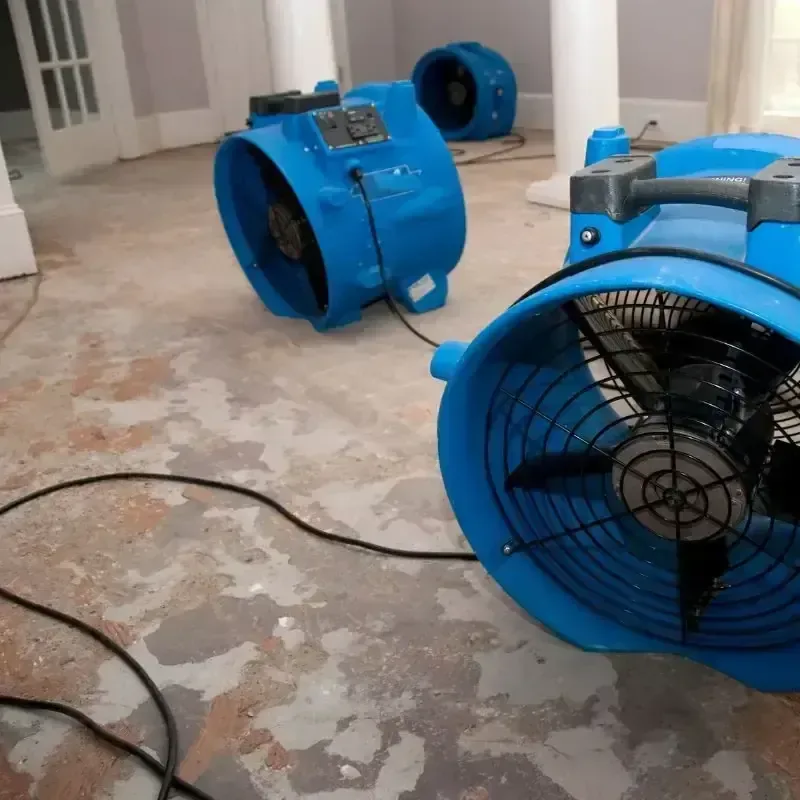
Air movers and dehumidifiers dry framing, drywall and subfloor until readings return to normal.
Service details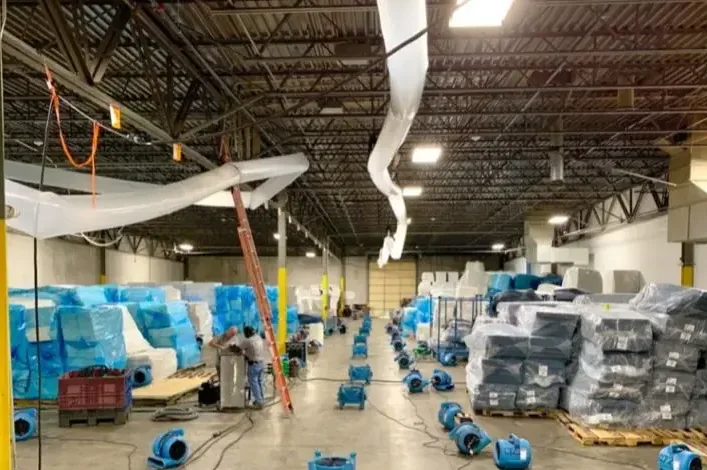
Commercial Water Damage
Shops, offices and larger buildings get phased drying plans that limit downtime and protect stock.
Service detailsWhy a local crew dries a wet home more completely
Water keeps moving after the leak stops, so the crew that reaches the structure first and measures it correctly decides how much of it survives.
Rapid local response
Dispatch runs around the clock, and crews work from the nearby service area instead of crossing a region, which keeps response practical for emergencies at night and on weekends.
IICRC S500 drying standard
Moisture readings set the plan, and equipment stays in place until walls, floors and framing reach the dry targets set at the start of the job.
Claim-ready documentation
Photos, moisture logs and equipment records are saved so an adjuster can follow the loss from start to finish without chasing missing details.
Coweta water experts
The team knows how local rain, older drains and rural water district homes shape each job, from a failed washer hose to a roof that let in the last storm.
Tools that pull moisture out of walls and floors
- Truck mounted and portable extractors lift standing water from tile, hardwood and carpet.
- Moisture meters read wood, drywall and concrete so wet spots are not guessed at.
- Thermal cameras reveal damp areas hidden behind finished walls and under flooring.
- Air movers push dry air across surfaces to speed up evaporation.
- LGR dehumidifiers remove the water vapor that drying surfaces release into the room.
- Injection drying tools force warm air into wall cavities without tearing out sound drywall.
Water damage help for a growing Tulsa suburb
Coweta sits on the Arkansas River in Wagoner County, and the city added more than a thousand people between the 2020 census and 2025. New and older homes sit side by side, and about 69.4% of occupied homes are owner occupied.
That mix means a leak can start in a ten year old supply hose or a much older drain. The crew checks the cause, removes the water, dries what is wet and keeps the paperwork an insurer expects.
How a water damage job moves from call to dry
Every job follows the same four stages, whatever the source of the water.
Call
Dispatch asks where the water came from, what is wet and whether power is still on, then sends a crew with the right equipment.
Assess
The crew finds the source, maps moisture with meters and cameras, and sets a drying plan that fits the materials involved.
Extract
Standing water is pumped out and soaked carpet, pad or drywall that cannot be saved is removed so it stops feeding moisture back into the air.
Dry
Air movers and dehumidifiers run until readings match dry reference points and the whole loss is documented for the file.
What does water damage restoration cost in Coweta, OK?
Most water damage jobs fall between $1,200 and $9,000 or more. The range moves with how many rooms are wet, what the water carried, how long it sat and how much material must be removed before drying can begin.
Small leak
- One wet room
- Quick extraction
- Short drying time here
Several rooms
- Walls and floors wet
- Some material removed
- Multi day drying
Major loss
- Whole floor affected
- Large demolition
- Extended drying visits
Final pricing comes from an on site inspection and the moisture readings found there. Homeowners with coverage often see most of it handled through the claim, so keep every receipt.
What a water damage dry-out looks like in Coweta
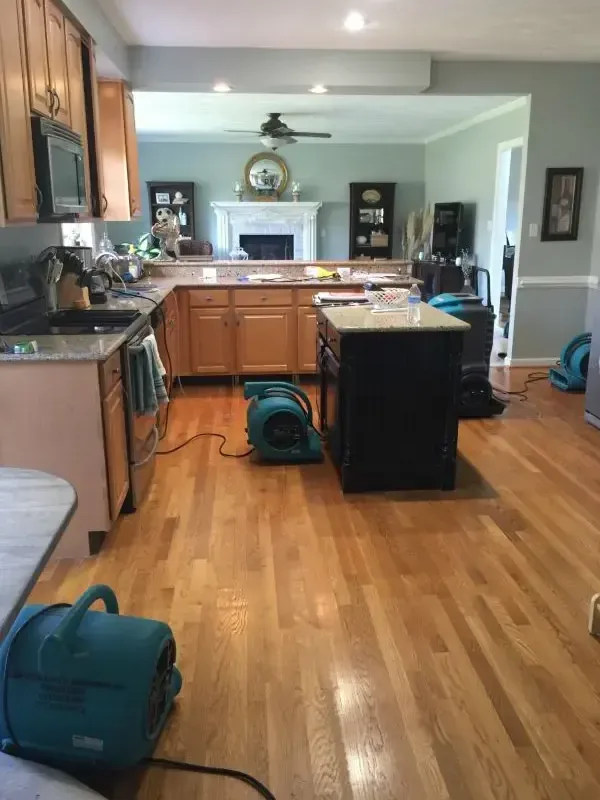
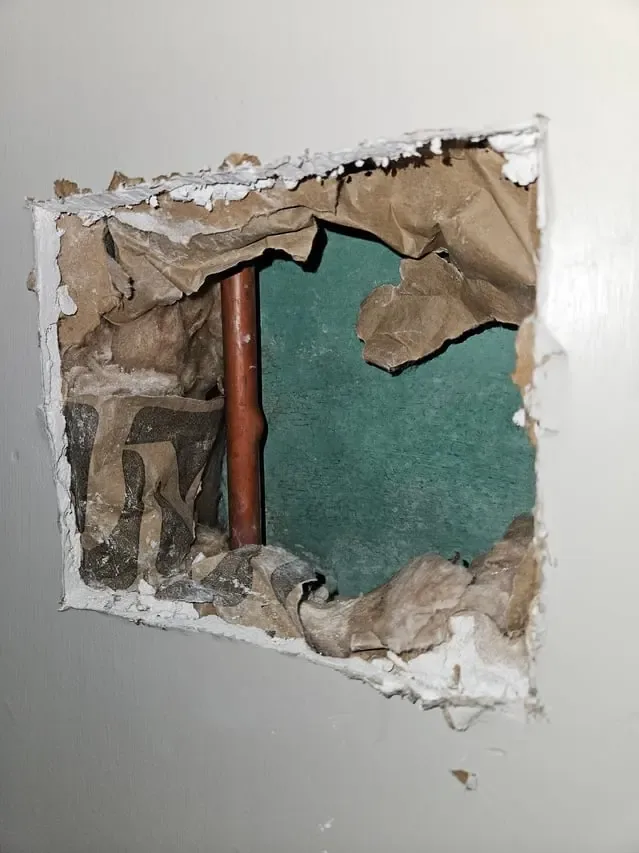
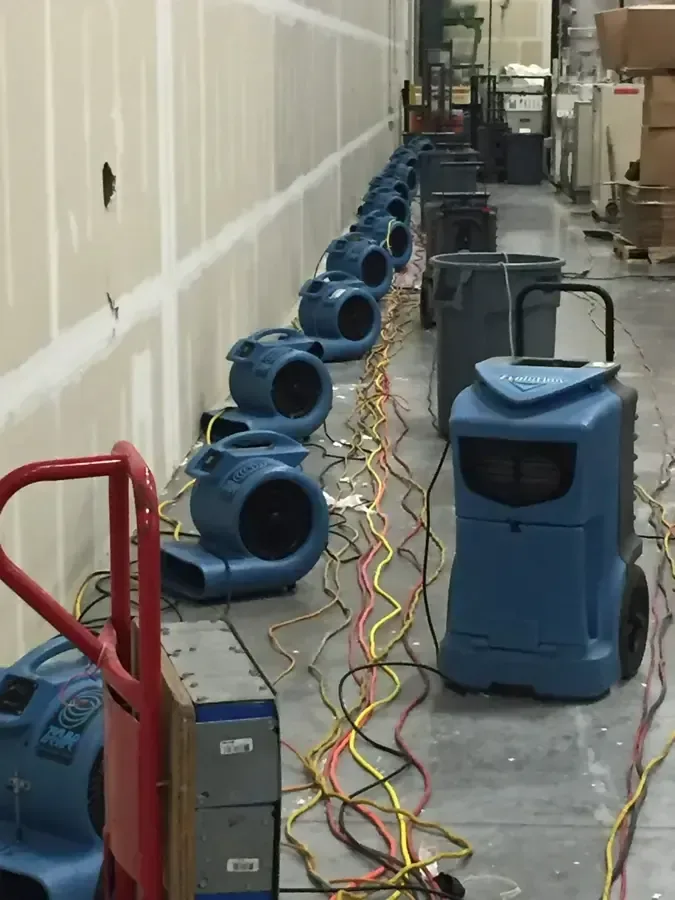
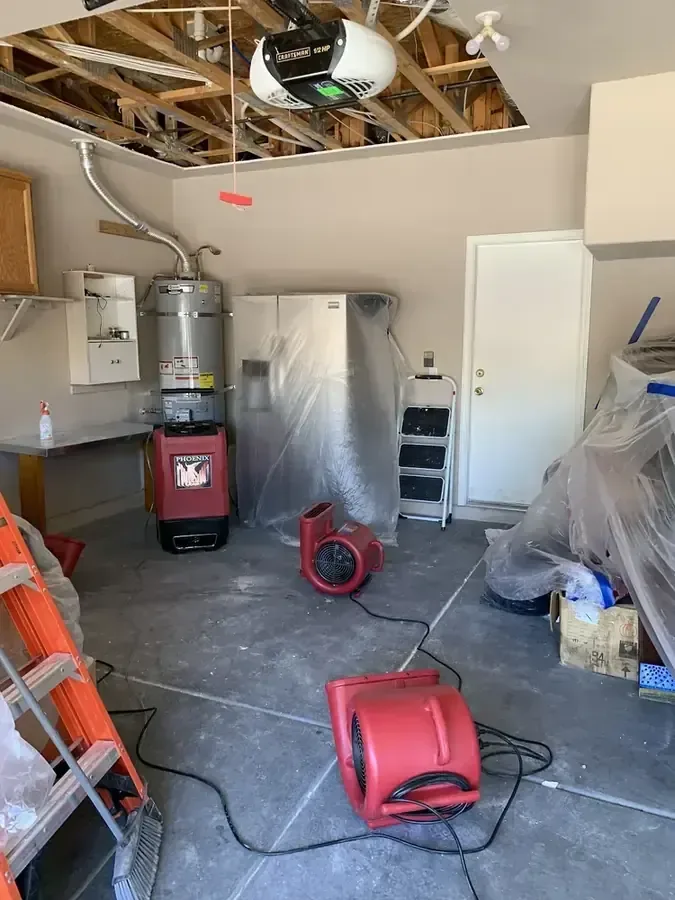
Water damage dried to the IICRC S500 standard
The S500 standard ties drying to measured moisture, not to a calendar, so equipment stays until the readings say the structure is dry.
Documentation for your insurance claim
A clear record of the loss helps an adjuster understand it quickly, and the crew builds that record while it works.
- Photos of the damage before cleanup
- Moisture readings for each room
- Notes on the source of the water
- Equipment placement and run times
- Itemized list of removed materials
Homeowners can add their own photos of the source, a list of damaged belongings and the date the water was first noticed. Keep receipts for any repair made before the crew arrived, and hold off on discarding damaged items.
What to do first while water is still spreading
- Stop the source. Close the shutoff valve or turn off the appliance so no more water enters the home.
- Cut the power. Switch off breakers to wet rooms and stay out of standing water near outlets.
- Move valuables. Lift small items, rugs and electronics onto dry surfaces and away from soaked floors.
- Take photos. Photograph the water, the source and damaged items before anything is moved or thrown away.
- Call for help. Phone a drying crew quickly, because wet drywall and wood begin to break down fast.
Neighborhoods and corridors covered across town
Crews serve homes and businesses throughout the city, from homes near the creek to the commercial corridors.
ZIP code covered
Also served nearby
Rural water district homes and nearby addresses outside city limits are covered too, so ask when you call.
Creek and river
Main corridors
Civic and shopping
Residential areas
One call reaches Coweta water damage pros, 24/7
Water does not wait for business hours, so dispatch stays staffed overnight, on weekends and on holidays for every kind of leak and flood.
(888) 619-9509Reach a crew nowWhat puts local homes at risk
Weather, aging infrastructure and plain household wear all feed water losses here, and each one shows up in a different part of the house.
A wet climate
With about 43.9 inches of precipitation a year, roofs, gutters and ceilings take steady punishment.
Supply interruptions
A damaged 12-inch water main in September 2025 shut off service citywide, a reminder of how fast supply problems cascade into household damage.
Creek and river water
Coweta Creek and the Arkansas River sit nearby, and drainage trouble has caused flash flooding in one neighborhood near town, so low rooms and garages deserve attention after hard rain.
Severe storms
Records going back to 1950 count 220 tornadoes in the area, 13 of them rated EF3 or stronger, and wind driven rain often follows those storms through damaged roofs.
All water damage categories covered in Coweta, OK
The source of the water decides how the cleanup is done and what must be thrown away.
Clean water from supply pipes
Broken supply pipes and tanks release clean water that dries best when it is removed early.
See pipe damageGray water from appliances
Washers and dishwashers leak used water that carries soap and some contamination into floors.
See appliance leaksBlack water from sewage
Sewage and floodwater carry bacteria, so porous materials come out and every surface is disinfected.
See sewage cleanupCommon water damage questions
Need a crew right now?
Dispatch reaches a drying crew at any hour, whatever the source of the water.
(888) 619-9509 Talk to dispatchHow fast should water damage be dried?
Start as soon as the source is stopped. Drywall, wood and carpet pad begin to break down quickly, and the window before mold can take hold is only about 24 to 48 hours.
Does insurance cover water damage?
Sudden events like a burst pipe or failed appliance are often covered, while slow neglected leaks may not be. Photos and moisture logs help the adjuster, and the crew provides both as part of the job.
Can I stay in the house during drying?
Usually yes for clean water losses, though the equipment is loud. Sewage or floodwater jobs may require leaving the affected rooms until cleanup and disinfection are finished and the air is clear.
How long does structural drying take?
Most homes dry in several days, depending on materials, humidity and how deep the water went. Readings, not guesses, decide when the equipment can be removed, and the crew shares them with the homeowner.
What if my water was off during the 2025 outage?
A shutdown does not cause damage by itself, but pressure returning to old fittings can expose weak spots. Check taps and appliance hoses, and call if anything is leaking or a floor feels damp.
Should I turn off the power?
Yes for wet rooms. Switch off the breakers feeding the area and stay clear of standing water near outlets, cords and appliances until a professional confirms the room is safe to enter.
Do crews handle creek or river flooding?
Yes. Floodwater is treated as contaminated, so porous materials are removed, surfaces are disinfected and the structure is dried to the S500 standard before anything is rebuilt.
What does a dry-out cost?
Small jobs often begin near $1,200, and large multi room losses can pass $9,000 once walls and floors are involved. An on site inspection sets a firm number for the specific rooms and materials involved.
Are rental homes served too?
Yes. About 30.6% of occupied homes here are rented, and renters should report the leak to the landlord while the crew documents the damage for both sides.
Do rural water district homes get the same service?
Yes. The service area includes homes on rural water districts as well as city utility customers, since the drying process is the same regardless of the supplier, and the water source is simply noted in the file.
Water in the house? Start drying today
One phone call sends a crew to find the source, pull out the water and begin drying before more of the home is lost.
(888) 619-9509Get a crew moving now