Roof Leak Water Damage in Coweta, OK
Rain that gets past damaged shingles soaks insulation first, then drywall and framing. Crews remove what is wet, dry the attic and ceiling below it and record the damage for your insurance file.
(888) 619-9509Call about roof water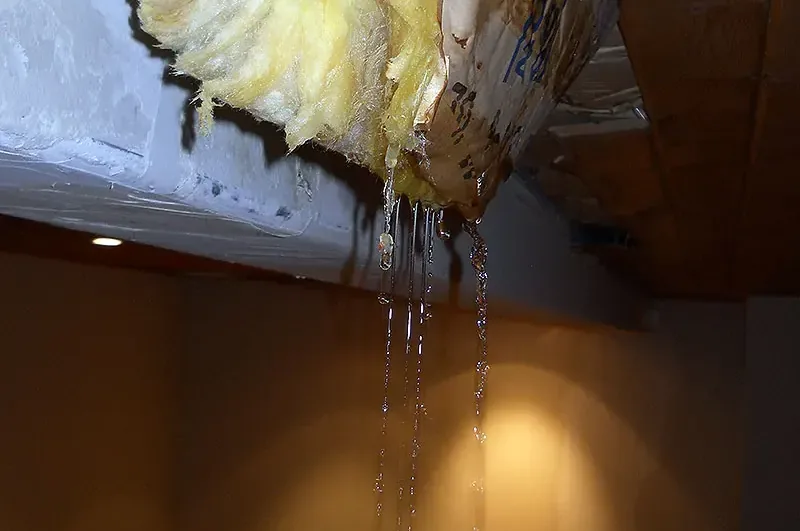
Why trained drying pros matter for this job in Coweta
Rapid local response
Dispatch runs 24/7, and active water is treated as urgent at any hour, holidays and ice storm nights included.
IICRC S500 drying standard
Structural drying, not surface drying: air movers and LGR dehumidifiers sized to the class of loss and left until readings say dry.
Claim-ready documentation
Moisture maps, daily psychrometric logs and timestamped photos taken before any demolition go into the claim file.
Local water experts
River flood plain, creek runoff, hard freezes and storm-driven rain all shape how water gets into homes south of Tulsa.
First steps for roof leak water damage right now
A roof leak call starts by finding how far the rain traveled once it got inside.
- Contain the drips. Buckets and plastic catch water while a roofer protects the opening above.
- Remove wet materials. Soaked insulation and sagging drywall are cut out, bagged and carried away from the house.
- Dry the cavities. Air movers and dehumidifiers dry the rafters, decking and ceilings from above and below.
- Check and document. Meters confirm dry readings, and photos of the path support the storm claim.
What does roof leak water damage cost in Coweta, OK?
Roof leak water damage typically costs $1,500 to $7,000 or more, depending on whether the water stayed in the attic or reached several rooms below.
Small leak
- One ceiling spot
- Insulation checked
- Short drying time
Attic and room
- Insulation removed
- Drywall opened up
- Several days drying
Several rooms
- Multiple ceilings wet
- Large removal work
- Extended drying visits
Ranges are typical, not a quote: the water category, square footage, material class and how fast drying started move the number most.
How roof leak water damage is handled in Coweta, step by step
Inspect the path
The crew follows the water from the stain back to the attic with meters and a thermal camera to find every wet layer.
Strip wet layers
Saturated insulation and weakened drywall are removed so they stop holding water against the framing.
Dry the structure
Air movers push air through the attic and room while dehumidifiers pull vapor out until the readings fall.
Record and hand off
Photos, readings and removal notes are saved, and the roofer and rebuild crew get a clear dry structure.
Coweta gets about 43.9 inches of precipitation a year, and records going back to 1950 count 220 tornadoes in the area, 13 of them rated EF3 or stronger. A wet climate and hard storms put real stress on roofs, and a leak soaks insulation and drywall below.
How roof water travels
Rain enters through lifted shingles, flashing or a damaged vent and runs along the decking before dripping onto insulation. By the time a stain shows on the ceiling, the attic side is often soaked. Wet insulation loses its value and holds water against the framing and drywall for a long time.
- Wet insulation matted down in the attic
- Stained or sagging ceiling drywall
- Damp rafters and roof decking
- Drips along light fixtures and vents
Water coming through the roof or ceiling after a storm? A crew can start the cleanup and dry out the attic and rooms below.
Get the roof water clearedRemoval and drying
The crew removes wet insulation and any drywall that has sagged or softened, then sets air movers and dehumidifiers to dry the rafters and remaining materials. Moisture meters steer the work so sound framing is not torn out unnecessarily. Where the roof is still open, temporary protection by a roofer should come first.
A stain means more above it
A brown ring on the ceiling shows water already got through the insulation and the drywall. The larger wet area is usually in the attic, so a look from above is part of any honest estimate and should not be skipped.
Storm claims and records
After a storm, an adjuster wants photos of the leak path, the wet materials and the drying readings. The crew keeps that record, and a homeowner can add photos of the roof damage taken from the ground. See ceiling leak water damage for the ceiling side of the repair.
Roof leak water damage across Coweta and nearby towns
Rapid local response, 24/7, wherever the water got in.
Roof leak crews reach homes across Coweta, including newer subdivisions like The Woods and older houses off Highway 51 and Broadway, plus small commercial roofs, rentals and garages.
The same service nearby: roof leak water damage in Bixby, Broken Arrow, Jenks.
Water damage restoration in CowetaRelated water damage services in Coweta
Roof Leak Water Damage questions, answered
Still dealing with the water?
Roof leaking after the storm? Reach a crew to start drying.
(888) 619-9509 Ask about roof waterShould I fix the roof first?
Stopping new water comes first, usually with a tarp from a roofer. Drying then follows so the structure does not stay damp under the repair.
Does insurance cover roof leaks?
Storm damage is often covered, while long neglected roofs may not be. Photos of the roof and a moisture log help the adjuster understand the loss.
Can wet insulation be dried?
Most of the time it is replaced, because it holds water against the framing and loses its insulating value once it is matted down and soaked.
Will the ceiling collapse?
A sagging ceiling can fall, so keep people away and call quickly. The crew can safely open it to release the water in a controlled way.
How long does drying take?
Most roof leaks dry in several days, depending on how much insulation and drywall got wet and how humid the weather stays.
Is mold a risk?
If the area stays damp past the 24 to 48 hour window, it can be, which is why quick drying matters after a storm.
Who handles the repair?
A roofer fixes the leak, the drying crew handles moisture, and a contractor then rebuilds the finishes once the readings are dry.
Can I stay in the house?
Usually yes, but keep out of rooms with sagging ceilings and ask the crew which areas are safe while equipment runs.
Dry what the storm soaked
Insulation and drywall hold water long after the rain stops. Dispatch stays open through nighttime storms.
(888) 619-9509Start the roof leak dry-out