Roof Leak Water Damage in Broken Arrow, OK
When storm rain finds a way through the roof, it soaks insulation, ceilings and walls below. The Broken Arrow crew removes what is wet, dries the structure and documents the damage for the claim.
(888) 619-9509Roof leaking? Call now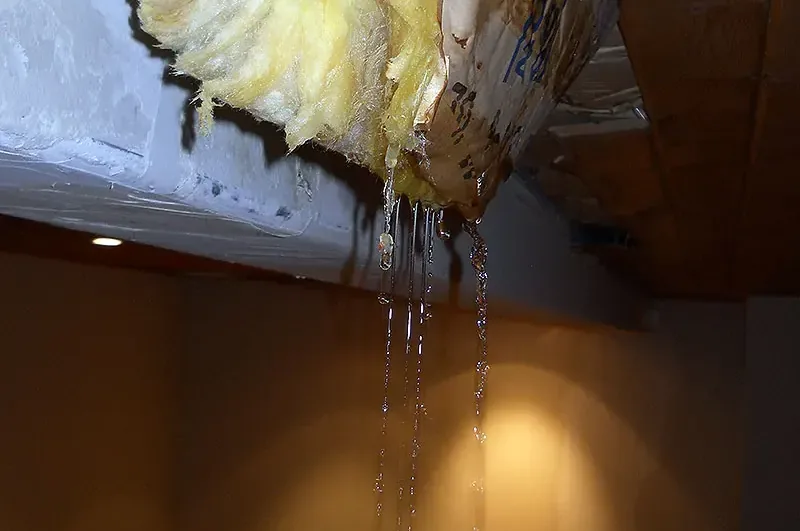
Why trained drying pros matter for this job in Broken Arrow
Rapid local response
Dispatch runs 24/7, and active water is treated as urgent at any hour, holidays and ice storm nights included.
IICRC S500 drying standard
Structural drying, not surface drying: air movers and LGR dehumidifiers sized to the class of loss and left until readings say dry.
Claim-ready documentation
Moisture maps, daily psychrometric logs and timestamped photos taken before any demolition go into the claim file.
Local water experts
River flood plain, creek runoff, hard freezes and storm-driven rain all shape how water gets into homes south of Tulsa.
First steps for roof leak water damage right now
Roof leak damage hides above the ceiling, so the work begins with finding how far the water spread.
- Contain the water. Buckets and plastic protect the floor, and any bulging ceiling is safely released to drain trapped water.
- Scan and map. A thermal camera and meters show wet insulation, framing and walls beyond the visible stain.
- Remove the wet. Soaked insulation and ceiling board come out so the cavity can be reached and dried.
- Dry and record. Equipment runs until readings are normal, and the photos and logs go to the adjuster.
What does roof leak water damage cost in Broken Arrow, OK?
Roof leak interior cleanup usually runs $1,500 to $7,000 or more. A small leak stays near the bottom, while water that soaked an attic and several rooms lands at the top.
Small leak
- One stained ceiling area
- Wet insulation removed
- Short drying visit
Attic and room
- Ceiling board cut out
- Framing and walls dried
- Daily moisture checks
Several rooms
- Water in many rooms
- Large insulation removal
- Extended equipment run
Ranges are typical, not a quote: the water category, square footage, material class and how fast drying started move the number most.
How roof leak water damage is handled in Broken Arrow, step by step
Report the leak
The dispatcher asks where the stain is, whether the ceiling sags and whether a roofer has covered the opening, then plans the crew's gear.
Assessment
Meters and a thermal camera check the ceiling, the walls below and the attic space to measure how far the rain traveled.
Removal
Wet insulation and ceiling board are bagged and removed in sections, keeping dry areas of the house undisturbed.
Drying
Dehumidifiers and air movers run until framing and drywall hit their dry goal, and the logs are compiled for insurance.
A roof leak does its harm indoors. Water runs along rafters, soaks insulation and shows up as a stain far from the actual opening, so the interior has to be checked well beyond the visible spot.
What the crew handles
A roofer repairs or tarps the opening, and the water damage crew handles everything beneath it. That means removing soaked insulation and ceiling board, drying framing and wall cavities and checking for moisture that traveled sideways.
- Attic insulation removed when it has absorbed water
- Sagging ceiling drywall cut out and drained
- Thermal camera scans to find hidden wet spots
- Air movers and dehumidifiers running until framing is dry
Stain spreading across the ceiling after a storm? Water may be sitting above it. The crew checks the attic side and removes what is wet before the drywall gives way.
Share the leak detailsStorms and slow leaks
Heavy rain is the trigger, and this part of Oklahoma sees storms that can overwhelm roofs, gutters and drainage alike. In May 2006 up to 7 inches fell in about 3 hours across Broken Arrow. A slow leak is just as costly, because it can soak insulation for weeks before a stain appears. Gutters and downspouts that spill water against the roof edge can push it under the shingles, which is one more reason a leak can start far from where it first shows.
Document the damage before the repair
Photograph the ceiling, the stain and any dripping water before a roofer tarps the opening or anyone cleans up. Dated photos tie the interior damage to the storm and give the adjuster a clear starting point. Save any torn materials the roofer removes until the claim is reviewed.
Why speed matters indoors
Wet insulation holds water against the ceiling, and drywall that stays soaked can sag or fall. Moisture that lingers invites mold in the 24 to 48 hour window, so getting the wet material out and air moving matters even while the roof waits for a repair.
Roof leak water damage across Broken Arrow and nearby towns
Rapid local response, 24/7, wherever the water got in.
Roof leak drying reaches homes across the city, from the Rose District and Main Street to Forest Ridge, South Broken Arrow and the subdivisions near the Creek Turnpike, in Tulsa and Wagoner counties.
The same service nearby: roof leak water damage in Bixby, Coweta, Jenks.
Water damage restoration in Broken ArrowRelated water damage services in Broken Arrow
Roof Leak Water Damage questions, answered
Still dealing with the water?
Rain coming through the roof? Tell the dispatcher what is wet and the crew plans the interior dry-out.
(888) 619-9509 Flag the roof leakDoes the crew repair the roof?
No. A roofer handles the shingles and decking, while the water damage crew removes wet insulation and ceilings and dries the structure. Coordinating the two keeps rain from soaking the house again.
Why is the stain far from the leak?
Water follows rafters, wires and insulation before it drips, so a ceiling stain can sit well away from the roof opening. Thermal cameras and meters show the real wet area.
Can a stained ceiling be left alone?
A stain means moisture is present, and drywall that stays wet weakens and can sag. Mold can start in the 24 to 48 hour window, so wet materials should be checked and dried.
Is wet attic insulation always removed?
Insulation that absorbed water usually loses its value and holds moisture against the ceiling, so it normally comes out. Insulation that stayed dry is left in place.
What does roof leak cleanup cost?
A small leak runs $1,500 to $2,800, an attic and room $2,800 to $5,000 and several rooms $5,000 to $7,000 or more. The roof repair is a separate bill.
Will insurance cover storm related leaks?
Coverage depends on the policy and the cause, so reporting quickly and documenting the damage helps. The crew supplies photos, readings and logs, and the insurer makes the final call.
Dry out what the storm soaked
Roof leaks hide in attics and ceilings. The crew removes wet material, dries the structure and keeps records ready for the claim.
(888) 619-9509Call about the roof leak