Water Damage Restoration Jenks, OK
Jenks sits between the Arkansas River and U.S. Route 75, so water can come from a rising creek as easily as a split pipe. Local restoration pros remove it and dry each room to the IICRC S500 standard, 24/7.
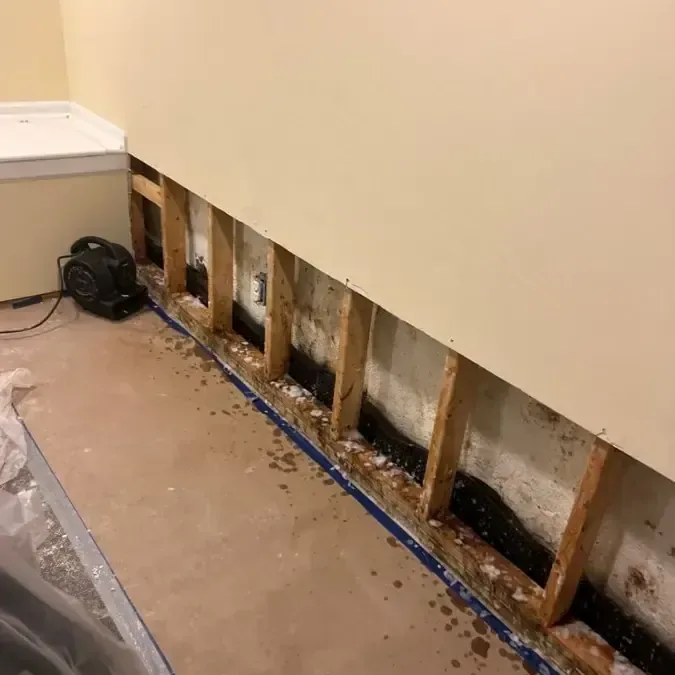
Water Damage Restoration Services in Jenks, OK
Water and sewage work only, from pumping out a flooded room to drying framing and concrete, across the city and the river parks nearby.
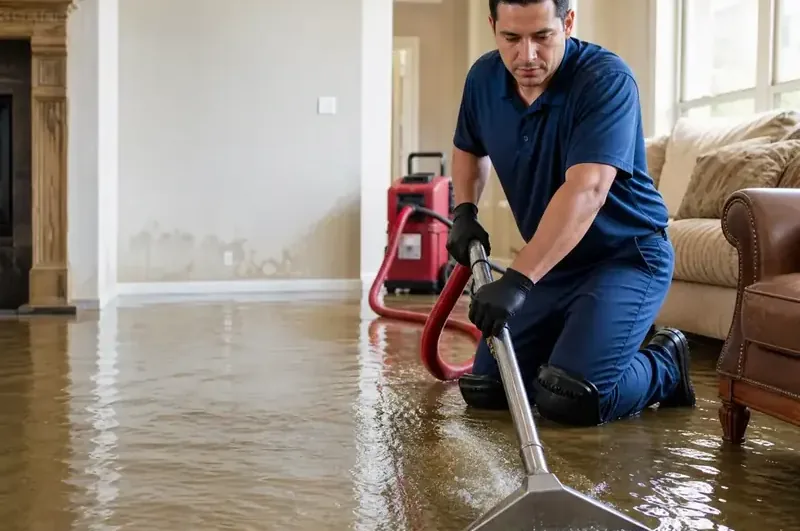
Water Extraction and Removal
Truck-mounted units pull standing water off floors and out of carpet before it reaches the framing.
Service details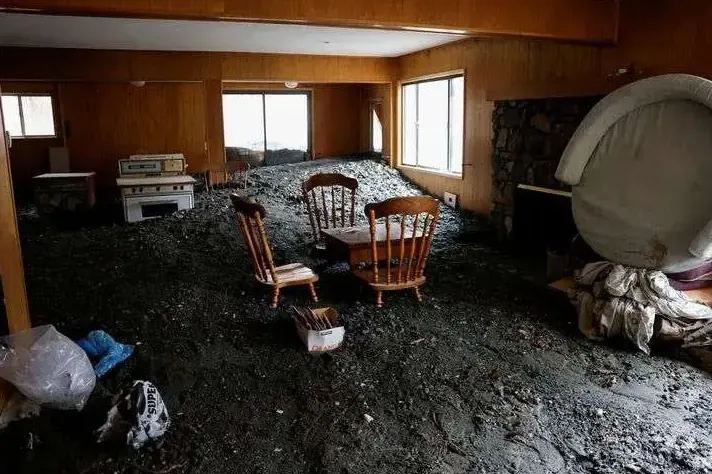
River and Creek Flood Cleanup
Creek and river water handled as Category 3, with muck-out, removal, antimicrobial and drying.
Service details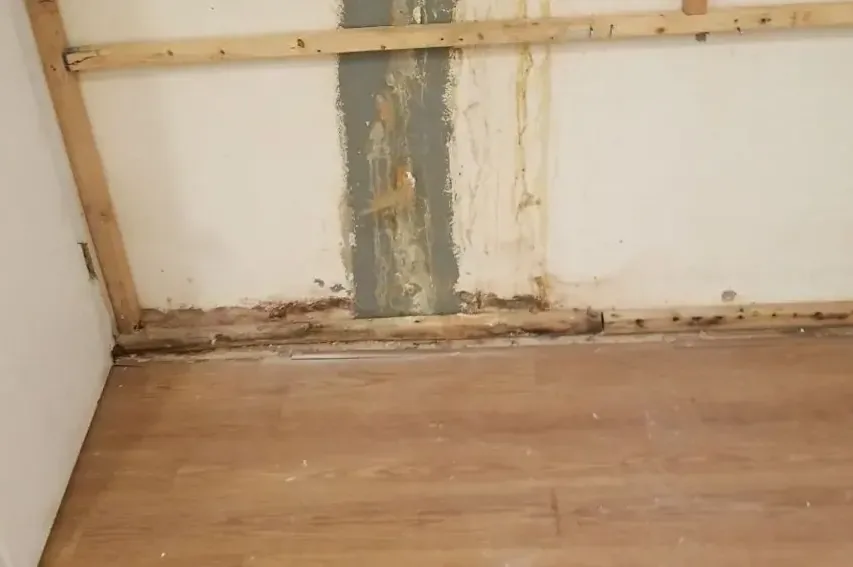
Burst Pipe Water Damage
Water from a broken supply pipe pulled out and wall cavities dried before the stain spreads.
Service details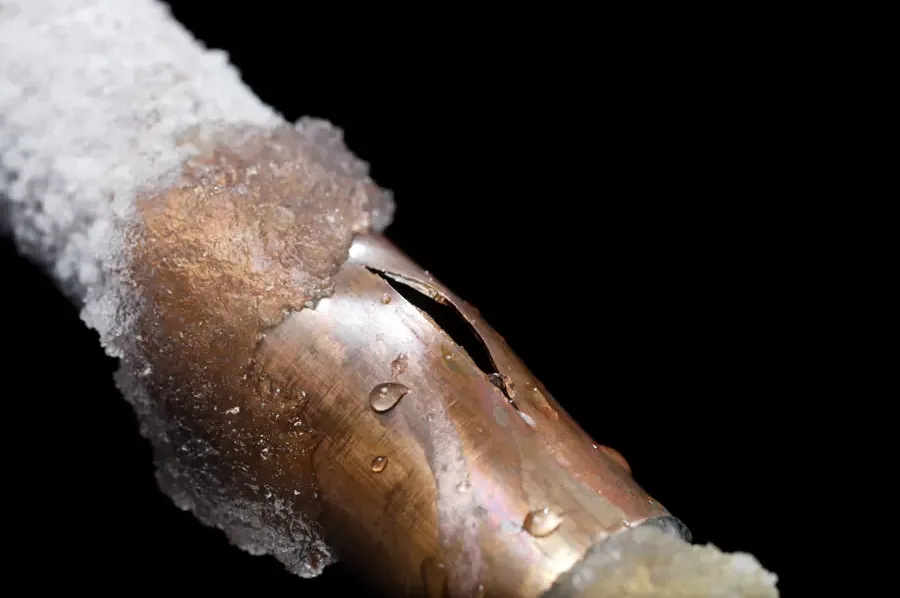
Frozen Pipe Water Damage
Pipes that split during a hard freeze tracked down after the thaw, then dried out properly.
Service details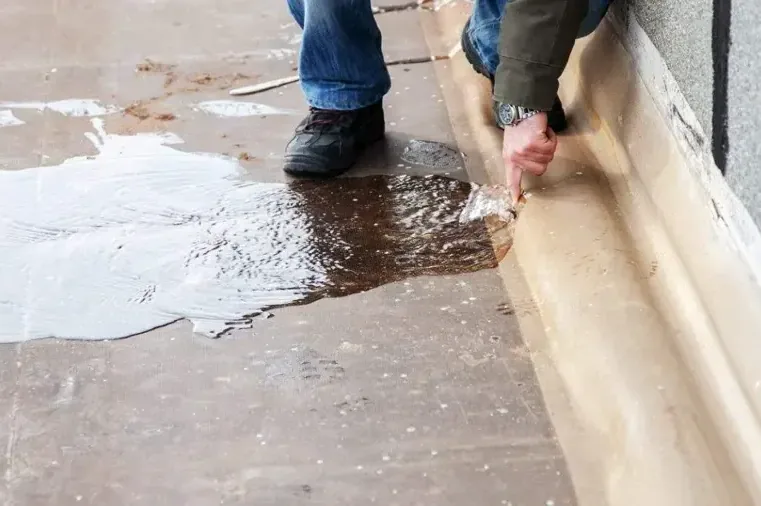
Slab Leak Water Damage
A leak under the concrete floor confirmed, wet flooring lifted and the slab dried.
Service details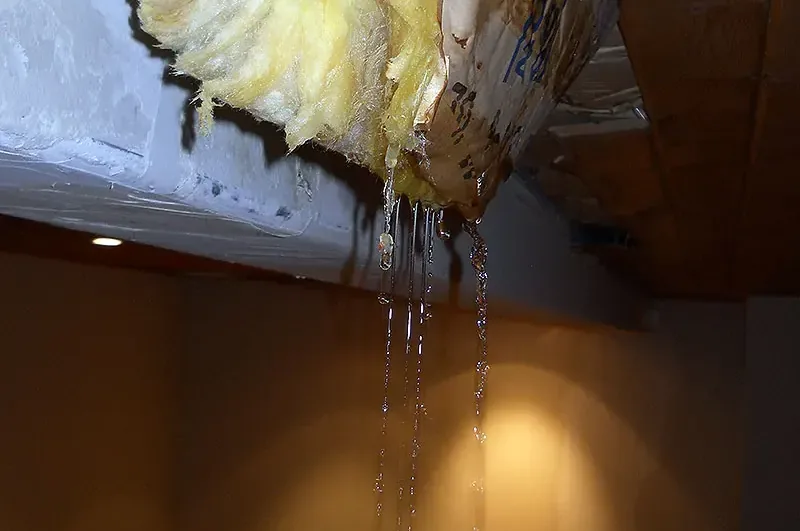
Roof Leak Water Damage
Storm water past the shingles, soaked attic insulation removed and ceilings dried.
Service details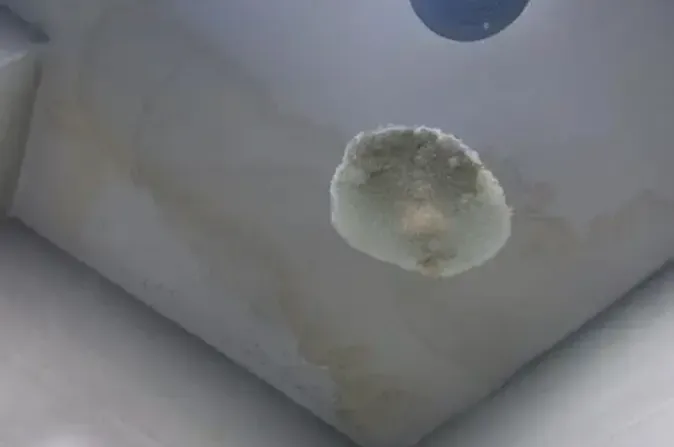
Ceiling Leak Water Damage
Leaks from a bath or pipe upstairs traced, wet drywall opened and joists dried.
Service details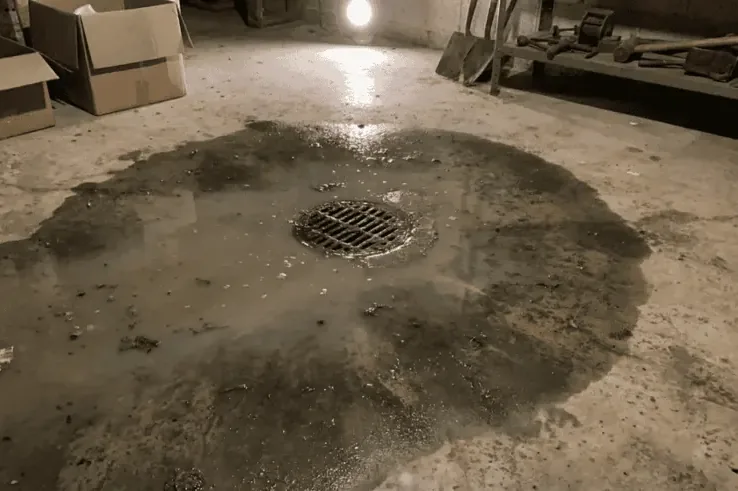
Sewage Backup Cleanup
Drain and toilet backups contained as Category 3, porous items removed, surfaces treated.
Service details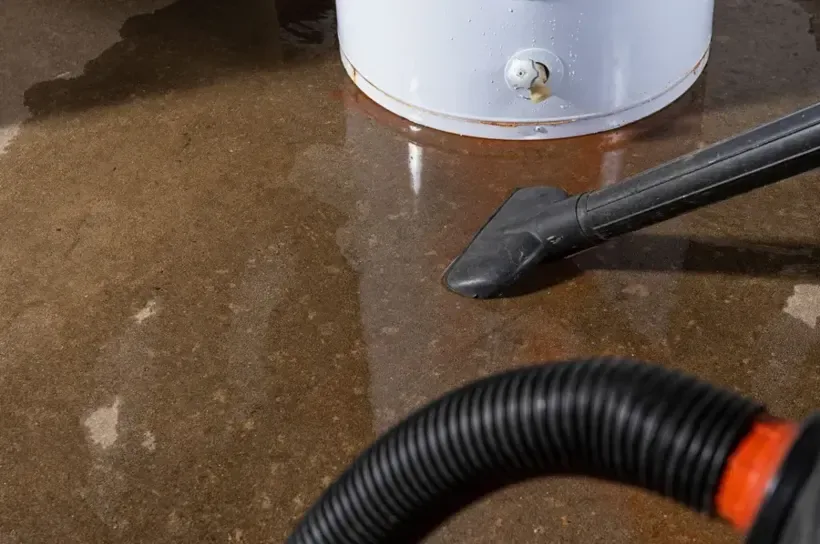
Water Heater Leak Cleanup
A burst tank in a garage or closet extracted before boxes and drywall soak through.
Service details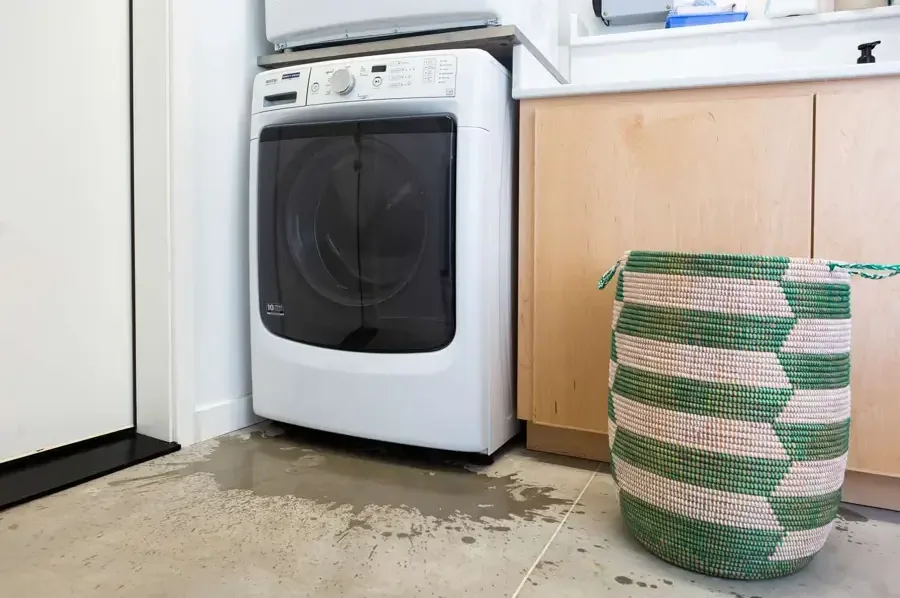
Appliance and Supply Hose Leaks
Washer, dishwasher and ice maker leaks pulled from floors and dried under cabinets.
Service details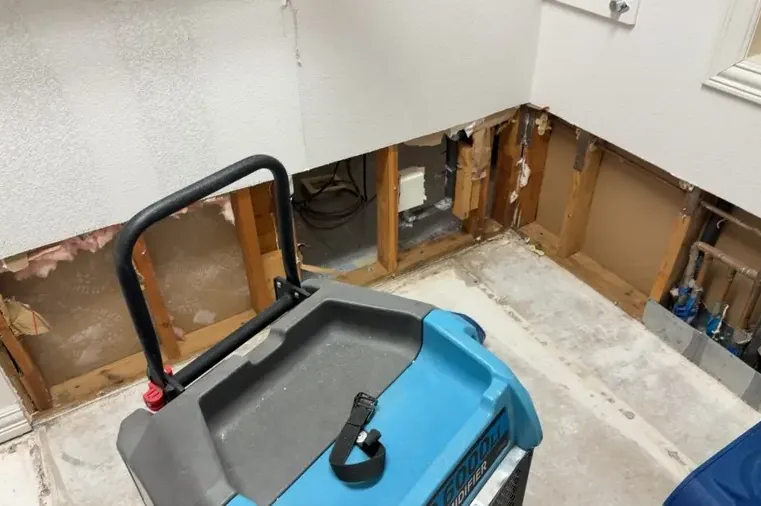
Structural Drying and Dehumidification
Dehumidifiers and air movers left running until every reading matches a dry reference.
Service details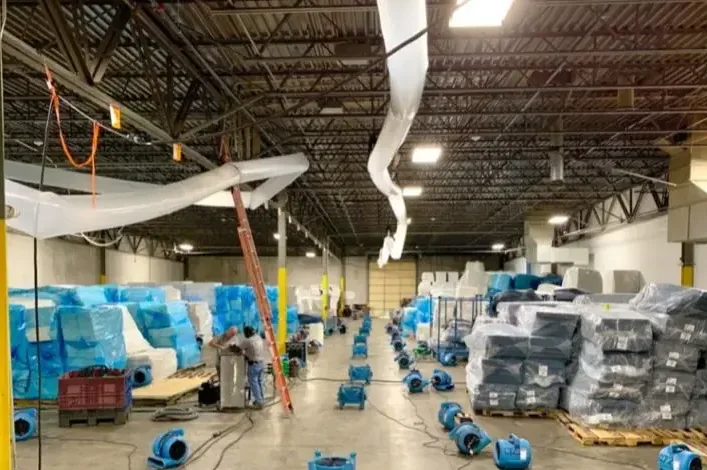
Commercial Water Damage
Shops and larger public buildings dried in zones so the doors can stay open.
Service detailsWhy careful drying matters between the river and the highway
Four habits decide whether a wet house in a fast-growing city dries the first time: fast response, a written standard, solid records and local water sense.
Rapid local response
Dispatch runs around the clock, and water that is still moving gets treated as urgent, so pumps go to work before drywall and carpet pad soak up more of it.
IICRC S500 drying standard
The drying team picks air movers and LGR dehumidifiers for the class of loss and keeps them running until meters, not fingertips, say the materials are dry.
Claim-ready documentation
Every job builds a record an adjuster can follow: a moisture map, psychrometric logs for each day and timestamped photos taken before anything gets torn out.
Jenks water experts
Overflow from the Arkansas River and Polecat Creek, open ditches and storm drains, and pipes that give way after a freeze all shape how water reaches local homes.
The machines behind a proper dry-out
- Truck-mounted extraction that moves far more water than a shop vacuum
- LGR dehumidifiers that keep pulling water out of the air on humid days
- Air movers placed for each room's evaporation load instead of a set number
- Thermal cameras and pinless meters that find wet spots inside walls
- Containment and HEPA scrubbers whenever creek water or sewage gets inside
- Desiccant units for brick, concrete and other dense Class 4 materials
Wet materials keep drinking, so starting early pays
Water never stays where it lands. It climbs drywall, slips under laminate and settles into concrete, and the part that costs the most is the water hidden behind a baseboard or under a cabinet, well out of sight.
A restoration crew arrives with extraction gear and dehumidifiers, measures how far the water traveled with meters, dries every material to a written goal and keeps a record for the insurer, so one bad evening stays a short job.
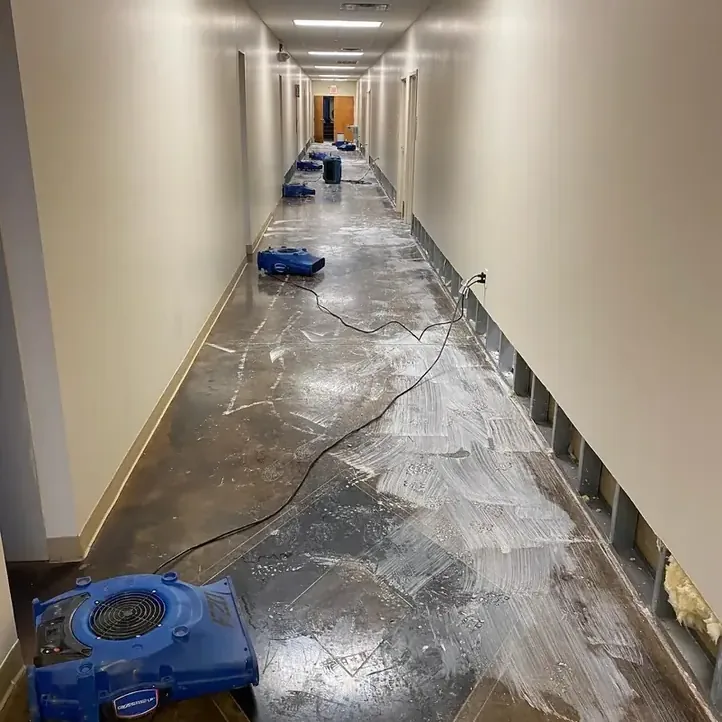
From the first call to a dry reading
Four stages take a soaked house back to a dry one.
Dispatch
The call goes to round-the-clock dispatch, where the response team asks about the water source so the right pumps, dehumidifiers and protective gear head out.
Walkthrough
The tech who does the walkthrough uses meters and a thermal camera to map where water spread, then sets the category and class before any equipment is placed.
Extraction
The extraction crew removes standing water, takes out materials that cannot be saved and places air movers and LGR units to match the drying load of each room.
Verification
Readings taken each day track materials toward the S500 goal, and the moisture map, logs and photos go into the claim file once every reading matches dry.
What does water damage restoration cost in Jenks, OK?
Most water damage restoration jobs fall between $1,200 and $9,000 or more. The water category, how many rooms got wet, which materials soaked and how quickly drying began set the number. A clean leak found early lands at the low end; creek or river water lands higher.
Small loss
- A room or two
- Clean water found early
- Pumping out and drying
Medium loss
- Several rooms affected
- Wall cavities opened and dried
- Meter readings every day
Large loss
- Creek water or sewage
- Removal of soaked materials
- Complete claim records
These figures are typical and never a quote. Overflow from a creek or the river counts as Category 3 the moment it enters, which adds removal, and drying that begins the first day keeps costs down.
What a water damage dry-out looks like in Jenks
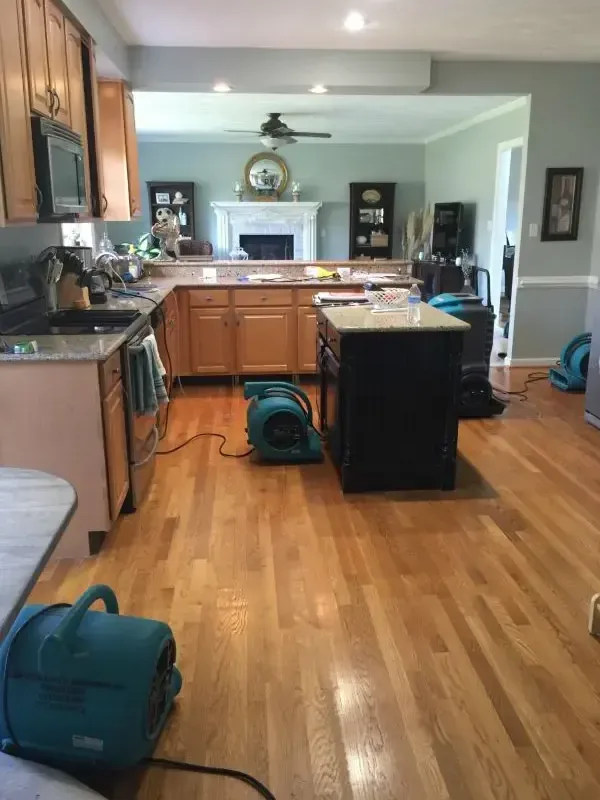
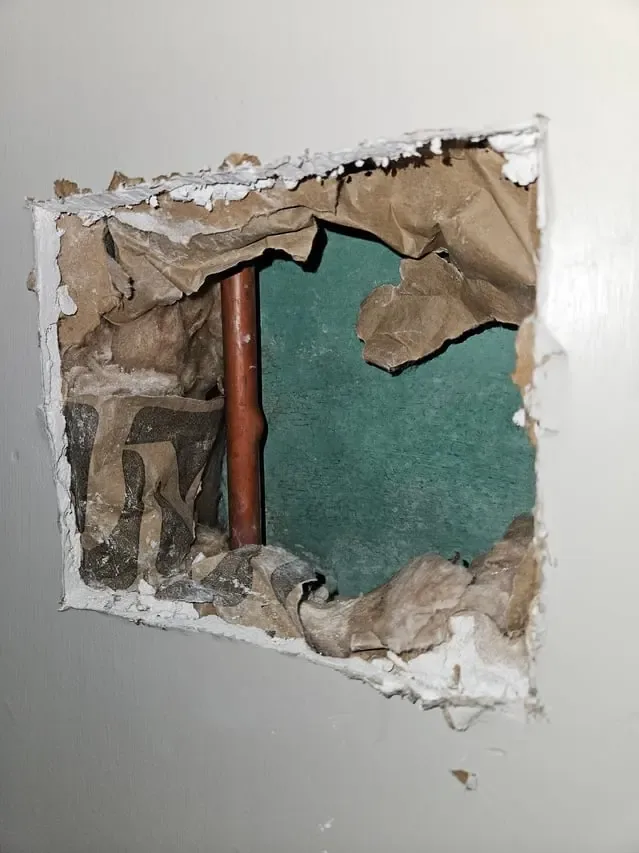
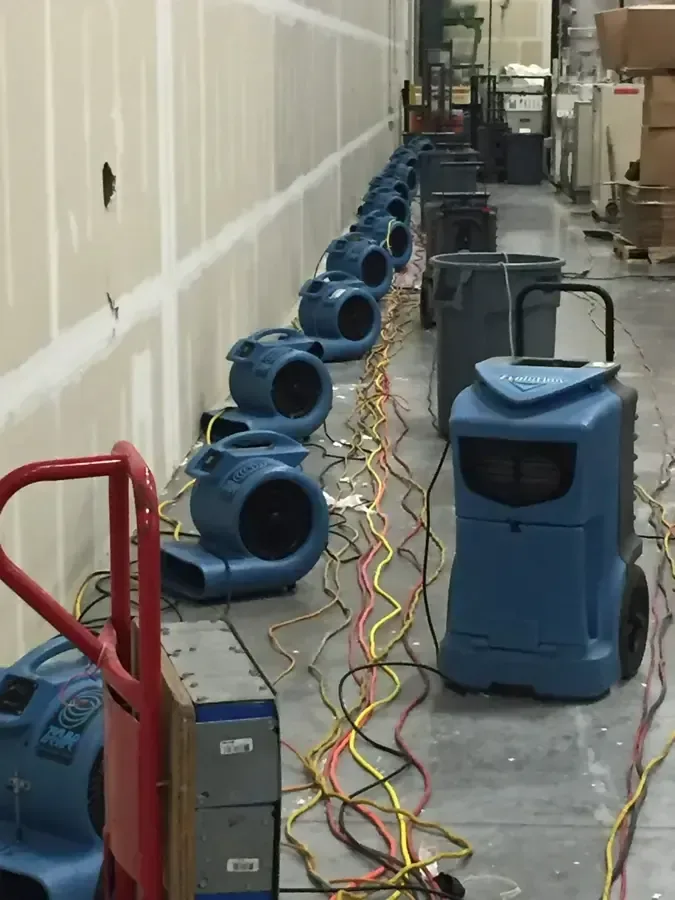
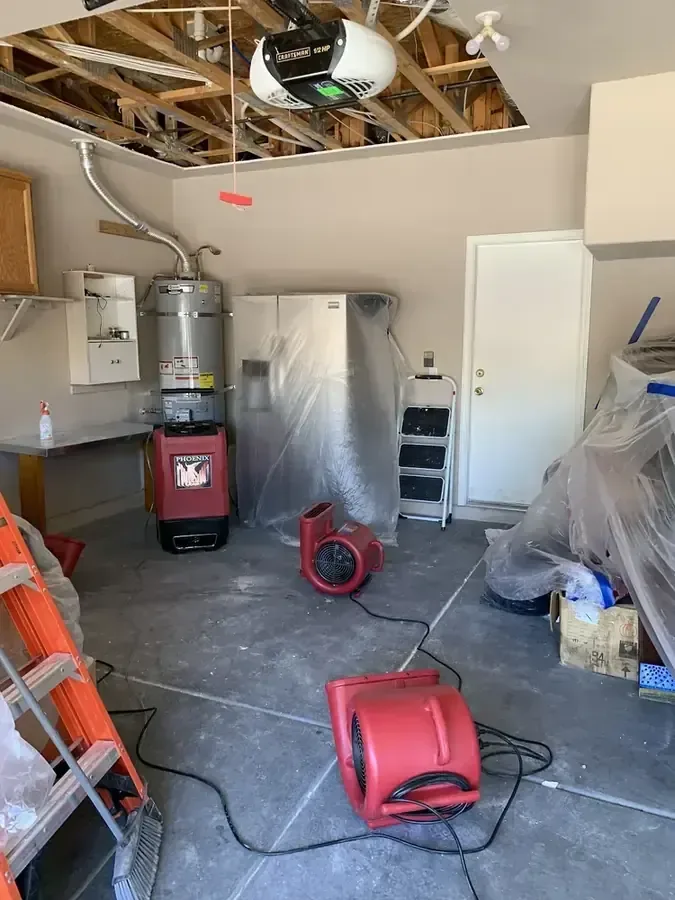
Water damage dried to the IICRC S500 standard
The S500 sets the bar for water restoration: dry the structure itself, not only the surface, and keep equipment in place until readings confirm it.
Documentation for your insurance claim
From the opening walkthrough to the final reading, the mitigation team keeps the record an adjuster expects to see.
- A moisture map covering each wet room
- Psychrometric drying logs for every day
- Timestamped photos from before any removal
- The water category and class of loss
- An itemized list of the work done
A pipe that bursts suddenly is often handled differently from overflow that enters from outside, and many homeowners policies leave flooding out entirely. Policies vary a great deal, so ask your own insurer exactly what yours covers.
What to do while the water is still moving
- Close the main valve. If a pipe, tank or appliance is feeding the water, shut off the supply at the main.
- Keep away from electricity. Stay clear of wet outlets, cords and the breaker panel, and treat any water from outdoors as Category 3.
- Lift belongings. Move papers, rugs and electronics up off the floor and slip foil under the legs of furniture.
- Record the damage. Take photos and video of every wet room before anything is moved or carried out.
- Call for pumps. Call dispatch so extraction begins before the water works deeper into walls and pad.
From the riverfront to U.S. Route 75, every street covered
Restoration crews reach every part of ZIP 74037 and the river communities nearby, at any hour of the night.
ZIP code covered
Nearby towns
Street not on the list? Call regardless. Anywhere in ZIP 74037, a restoration crew can be sent out day or night, weekends included.
Along the river
Polecat Creek side
Highway corridor
Around the high school
One call reaches Jenks water damage pros, 24/7
Whether the water came from Polecat Creek or a pipe in the attic, one call reaches a restoration team that sends a crew out, nights, weekends and holidays included.
(888) 619-9509Ring the river town dispatchWhere local water damage comes from
Jenks began in 1904 beside the Arkansas River, and the river still shapes the town's water risks, along with a few that come from inside.
River and creek overflow
From 1904 through the 1950s the town flooded many times when the Arkansas River and Polecat Creek ran over their banks.
The 1986 Keystone Dam release
Heavy rain upstream led the Corps of Engineers to release up to 300,000 cubic feet per second, and a mandatory evacuation followed.
Ditches and storm drains
Runoff moves through open swales and ditches plus closed inlets and pipes, and residents keep up the ditches in front of their property.
Thaw after a freeze
Tulsa-area plumbers report that burst-pipe damage often appears once a freeze ends and the pipes start to thaw.
All water damage categories covered in Jenks, OK
Clean, gray or black water, each category of loss is dried and cleaned to the IICRC S500 standard.
Category 1: clean water
Supply pipes, tanks and ice maker tubing. Found quickly, most materials can be dried where they are.
Read about burst pipe damageCategory 2: gray water
Discharge from a washer or dishwasher, or a toilet overflow without waste. Carpet pad and soft items usually go.
Read about appliance leaksCategory 3: black water
Sewage and overflow from the river or a creek. Anything porous it soaked is removed, then the rest is treated.
Read about sewage cleanupLocal water damage questions, answered
Is water spreading right now?
Leave the reading for later. Dispatch is staffed around the clock for the whole town.
(888) 619-9509 Have a crew sent out nowHow quickly can a crew reach the house?
Dispatch works around the clock, and moving water is treated as urgent no matter the hour. Arrival depends on the time and how busy a storm makes things, so call when water first shows up rather than waiting to see how far it spreads.
Does a homeowners policy pay for Arkansas River flooding?
Many homeowners policies leave out flooding that enters from outside, which calls for a separate flood policy. Water from a pipe that bursts suddenly is often treated differently. Every policy is different, so ask your own insurer.
Has the river flooded the town before?
Yes. From 1904 through the 1950s overflow from the Arkansas River and Polecat Creek flooded the town many times, and in 1986 a Keystone Dam release brought a mandatory evacuation and water that took weeks to go down.
What does the IICRC S500 cover?
It is the standard the water restoration trade follows. It explains how water is sorted into categories, how drying gear is sized and when a material counts as dry, which is within 2 to 4 points of a dry reference in the same building.
How many days does drying usually take?
A small Class 1 loss often dries in three to five days. Creek water, wood floors, brick and concrete need longer. The gear stays until meters agree, and the drying time estimator shows a typical range.
When does wet drywall have to be cut out?
Drywall wet with clean water can often stay if pumping starts quickly. Drywall reached by creek water or sewage gets cut away above the high-water mark, because Category 3 water soaks porous material past the point of cleaning.
Why does a sewage backup need a different approach?
Sewage counts as Category 3 from the start. Crews wear protective gear, close off the area, take out porous materials it touched and treat hard surfaces with an EPA-registered antimicrobial for its full dwell time.
What helps while waiting for the crew?
Turn off the main valve if a pipe is leaking, stay away from outlets near standing water, lift valuables off wet floors and photograph each room before anything is moved.
How is the bill for a water loss worked out?
The water category, the area that got wet, the type of materials and how quickly drying began drive the price. The cost calculator shows a typical range ahead of the walkthrough.
Why do the first couple of days matter?
Mold can begin growing on damp materials within 24 to 48 hours, and clean water left standing can turn dirtier. Quick pumping and drying keep the damage small and the bill lower.
Water inside the house? Call right away.
The longer water sits, the further it travels. A single call starts pumping and drying anywhere in town, day or night.
(888) 619-9509Get pumping started in town