Water Heater Leak Cleanup in Coweta, OK
A failing tank can empty dozens of gallons across a garage, closet or hallway floor. Crews pump out the water, check the walls and flooring nearby and dry everything the tank water reached.
(888) 619-9509Call about the tank leak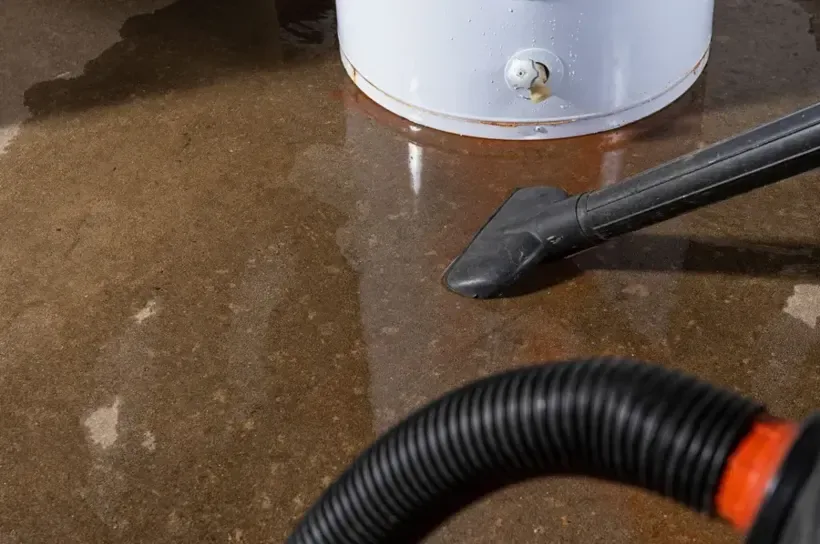
Why trained drying pros matter for this job in Coweta
Rapid local response
Dispatch runs 24/7, and active water is treated as urgent at any hour, holidays and ice storm nights included.
IICRC S500 drying standard
Structural drying, not surface drying: air movers and LGR dehumidifiers sized to the class of loss and left until readings say dry.
Claim-ready documentation
Moisture maps, daily psychrometric logs and timestamped photos taken before any demolition go into the claim file.
Local water experts
River flood plain, creek runoff, hard freezes and storm-driven rain all shape how water gets into homes south of Tulsa.
First steps for water heater leak cleanup right now
A water heater leak call starts with shutting off the supply and power to the tank.
- Shut it off. Close the cold water valve and switch off power or gas to the tank before anyone steps into the water.
- Extract water. Wet floors are pumped or vacuumed so the water does not wick into walls and nearby flooring.
- Check walls. Meters check drywall, baseboards and cabinets for hidden moisture that traveled out of sight.
- Dry and record. Equipment dries the area, and readings document the result for the claim and the plumber.
What does water heater leak cleanup cost in Coweta, OK?
Water heater leak cleanup typically runs $1,000 to $4,500 or more, depending on whether the water stayed on a garage floor or reached several rooms.
Garage floor only
- Concrete floor wet
- Quick extraction
- Short drying time
Closet and hallway
- Drywall and flooring wet
- Baseboards removed
- Several days drying
Several rooms
- Multiple rooms wet
- Larger removal work
- Extended drying visits
Ranges are typical, not a quote: the water category, square footage, material class and how fast drying started move the number most.
How water heater leak cleanup is handled in Coweta, step by step
Safety first
The crew confirms the water and power or gas to the heater are off before entering the wet area.
Water removal
Extractors clear the floor, and wet items like stored boxes, rugs and cabinet contents are lifted out and set to dry.
Hidden moisture check
Moisture meters and a thermal camera check the walls and floor edges for water that traveled out of sight.
Drying and documentation
Air movers and dehumidifiers dry the space, and photos and readings are saved for the insurance file.
A leaking water heater floods the floor around it, and the water spreads into adjoining walls, baseboards and flooring. No local permit rule is confirmed, so the advice stays general, but the water damage process is the same everywhere.
What a tank failure does
Tanks fail at seams, fittings or the relief valve, and the water usually runs out slowly at first and then faster. In a garage, concrete holds water in low spots. In a closet or hallway, it soaks into carpet, drywall and flooring, which makes the damage harder to see. Older tanks with rust at the base are the most likely to let go.
- Water pooled around the tank base
- Wet baseboards and drywall bottoms
- Soaked carpet in nearby hallways
- Damp cabinets or stored boxes
Water heater leaking across the floor? A crew can pump it out, check the walls and dry the area around the tank.
Reach a crew for the tankCleanup steps
The crew shuts off the water supply and power to the heater, then extracts standing water. Meters check nearby walls and flooring, and wet baseboards or drywall edges are removed if they cannot dry in place. Air movers and dehumidifiers finish the job over the next days. In a garage, the concrete floor often dries faster than the drywall around it, so the walls get the longer attention.
Leaks start small
A water heater seldom fails all at once. A damp spot near the base or rust on the tank can signal a coming failure, so a quick call after finding moisture limits the damage to flooring, walls and anything stored nearby in the garage.
After the cleanup
Once the area is dry, a plumber can install the replacement. Keeping the drain pan clear and the area around the tank open helps catch the next leak earlier. If the water reached the walls, structural drying covers the moisture checks in more detail. A small leak detector near the base costs little and can warn early.
Water heater leak cleanup across Coweta and nearby towns
Rapid local response, 24/7, wherever the water got in.
Water heater leak cleanup serves homes across Coweta, from garage installs to closet units in newer houses along Highway 51, and from rentals to owner occupied properties and small shops.
The same service nearby: water heater leak cleanup in Bixby, Broken Arrow, Jenks.
Water damage restoration in CowetaWater Heater Leak Cleanup questions, answered
Still dealing with the water?
Tank leaking onto the floor? Ask a crew to extract and dry it.
(888) 619-9509 Get the tank leak assessedIs the water hot?
It can be, especially right after a failure. Turn off the heater, avoid contact until the water cools and keep children and pets out of the room.
Where does tank water go?
Into the nearest low spot first, soaking floors and baseboards, and sometimes drywall. Hallway carpet can take on a surprising amount before anyone sees it.
Will insurance cover it?
Sudden tank failures are often covered, while long term leaks may not be. Photos of the tank and a moisture log help the adjuster decide.
Can carpet be saved?
Often yes with quick extraction, since tank water is generally clean. The crew checks the pad, which may need to be replaced even when the carpet stays.
How long does drying take?
Most water heater leaks dry in several days. Concrete garage floors dry faster than wall bottoms and cabinet bases do.
Should I replace the tank myself?
A plumber should handle the replacement to keep the gas, power and water connections safe, and the drying crew can work around that visit.
How can I catch a leak early?
Look for dampness near the base, rust on the tank or fittings, or a hissing sound. A tray and a small alarm help in tight closets.
Dry the floor around the tank
Tank water spreads into walls and flooring quickly. Dispatch stays open to start the pump out at any hour.
(888) 619-9509Start the heater cleanup