Sewage Backup Cleanup in Coweta, OK
Sewage carries bacteria that make the cleanup different from any clean water leak. Crews wear protective gear, remove the contamination, discard porous materials, disinfect surfaces and dry the space.
(888) 619-9509Coweta sewage backup help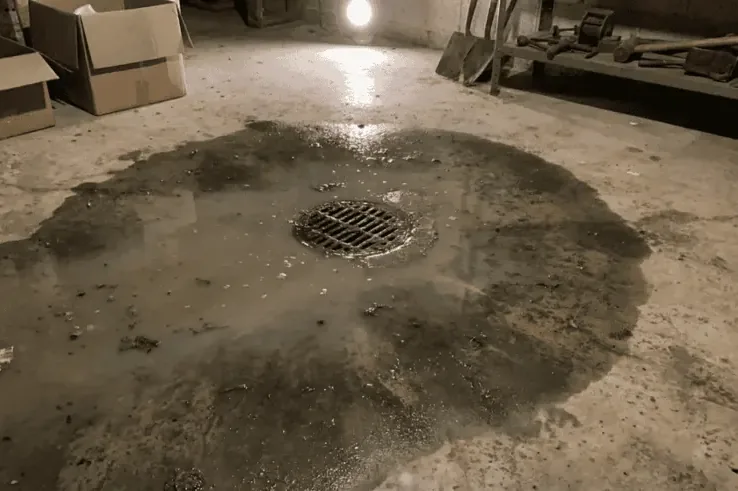
Why trained drying pros matter for this job in Coweta
Rapid local response
Dispatch runs 24/7, and active water is treated as urgent at any hour, holidays and ice storm nights included.
IICRC S500 drying standard
Structural drying, not surface drying: air movers and LGR dehumidifiers sized to the class of loss and left until readings say dry.
Claim-ready documentation
Moisture maps, daily psychrometric logs and timestamped photos taken before any demolition go into the claim file.
Local water experts
River flood plain, creek runoff, hard freezes and storm-driven rain all shape how water gets into homes south of Tulsa.
First steps for sewage backup cleanup right now
A sewage job begins with protecting people and stopping further contamination from spreading through the house.
- Keep out. Seal off the room and keep people and pets away from the affected area and the wet floors.
- Remove water. Contaminated water is pumped out and porous materials are cut away and bagged for disposal.
- Disinfect. Surfaces are scrubbed and treated with antimicrobial disinfectant, including baseboards and cabinet bases.
- Dry out. Equipment dries the area, and readings confirm it is ready for repair and replacement.
What does sewage backup cleanup cost in Coweta, OK?
Sewage cleanup typically costs $2,500 to $10,000 or more, depending on how many rooms were reached, how deep the water was and how much material must be discarded.
One bathroom
- Single room affected
- Material removal
- Disinfecting done
Several rooms
- Multiple rooms wet
- Drywall removed
- Longer drying time
Widespread
- Large affected area
- Heavy material removal
- Extended drying visits
Ranges are typical, not a quote: the water category, square footage, material class and how fast drying started move the number most.
How sewage backup cleanup is handled in Coweta, step by step
Containment and gear
The crew seals the area, sets up ventilation and puts on protective gloves, boots and respirators before touching anything.
Removal
Standing sewage is extracted, then carpet, pad, insulation and drywall that touched it are bagged and carried out.
Cleaning and disinfecting
Remaining surfaces are washed, scrubbed and treated with disinfectant so bacteria and odor sources are cleared.
Drying and sign off
Air movers and dehumidifiers dry the area, and photos and readings document the work for the claim.
Sewer service in Coweta runs through the Coweta Public Works Authority, and the city asks businesses to keep grease and oil out of drains. When a backup does reach a floor, the water is contaminated from the start and needs careful handling.
Why sewage is treated as hazardous
Backup water can carry bacteria, viruses and waste, so contact with skin or splashes is a health risk. Porous materials like carpet, pad, drywall and insulation that touched it are removed, since they cannot be reliably cleaned. Children and pets should stay out of the area. Open cuts and food areas make it worse, so the room is isolated until the work is complete.
- Carpet and pad discarded after contact
- Wet drywall cut above the contact height
- Hard surfaces scrubbed and disinfected
- Air kept moving to clear odors
Sewage backing up from a drain or toilet? A trained crew can contain it, clean it safely and dry the area afterward, any hour of the night.
Contact a hazard cleanup crewCauses and prevention
Grease buildup, tree roots, flushed wipes and a blocked main can all push water back through a floor drain or toilet. The city's stormwater guidance asks businesses to maintain grease traps and not pour grease or oil down sinks. Homes on septic systems are advised to have the tank inspected and pumped every 3 to 5 years. A plumber can camera the pipe to find the blockage.
Do not clean sewage yourself
Mops and household cleaners spread contamination rather than removing it. Keeping everyone out and calling a crew with the right gear protects the household and limits how far the damage goes, including into carpet, cabinets and wall cavities.
Disinfecting and drying
After removal, the crew washes surfaces, applies disinfectant and dries the structure with air movers and dehumidifiers. Odors fade as the moisture and contaminated materials are cleared out. A plumber should clear the blockage, and flood water cleanup follows similar safety rules.
Sewage backup cleanup across Coweta and nearby towns
Rapid local response, 24/7, wherever the water got in.
Sewage backup cleanup covers homes and businesses across Coweta, including those on city sewer service and on private septic systems, in both owner occupied and rental properties and shops.
The same service nearby: sewage backup cleanup in Bixby, Broken Arrow, Jenks.
Water damage restoration in CowetaRelated water damage services in Coweta
Sewage Backup Cleanup questions, answered
Still dealing with the water?
Sewage in the house? Talk to a cleanup crew about safe removal.
(888) 619-9509 Get sewage cleanup scheduledIs a sewage backup dangerous?
Yes. The water can carry bacteria and viruses, so avoid contact and keep children and pets away until the cleanup and disinfecting are complete.
What gets thrown away?
Carpet, pad, insulation and drywall that touched sewage are usually removed because they cannot be cleaned safely, while hard surfaces are scrubbed and disinfected.
How is it different from a clean leak?
Clean water can often be dried in place. Sewage needs removal and disinfecting first, which makes the work heavier and more protective.
Will insurance cover it?
Many policies cover sudden backups only with an added endorsement, so check the policy early and keep photos and the crew's records together.
How long does it take?
Cleanup and drying usually take several days, depending on the area, the materials involved and how humid the home is.
What causes the backup?
Grease, roots, flushed wipes or a blocked main are common. A plumber finds the actual cause and clears the drain.
Does it smell afterward?
Odors fade once contaminated materials are removed and the area is disinfected and dried, with air moving through the space.
Can I clean a small backup myself?
Even small backups carry bacteria. A crew with protective gear and disinfectant handles it more safely than household cleaners.
Contain the backup safely
Contaminated water calls for trained handling and the right gear. Dispatch stays open at night and on weekends.
(888) 619-9509Begin the cleanup