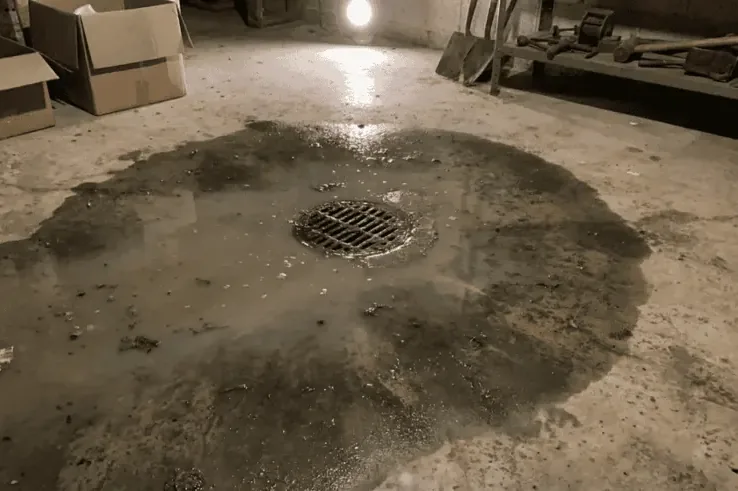
A storm that overloads the drains can send rain water and sewage into a house at the same time, and that mix needs careful handling.
Key takeaways
- Backed up sewage and storm water are contaminated, so nobody should wade through them without protection.
- In May 2006 up to 7 inches of rain in about 3 hours flooded 44 homes, at least 14 with major damage.
- The Glen Eagle and Steeplechase subdivisions were hit, with an overflowing retention pond blamed.
- Porous materials touched by sewage are removed and the remaining structure is cleaned, then dried.
- The city Utilities Department handles water and sewer service.
What happened in May 2006
In May 2006 up to 7 inches of rain fell in about 3 hours, and 44 homes flooded, at least 14 with major damage.
The flooding hit the Glen Eagle and Steeplechase subdivisions, where an overflowing retention pond was blamed.
Water also came into the subdivision from across a nearby street, which shows how storm water can arrive from more than one side.
It is a good example of how a single storm can overwhelm more than one drainage system in a neighborhood.
Floods like this are remembered by the people who lived through them, and they shape how neighbors think about the next heavy rain.
The number of homes with major damage shows that a few inches of water inside a house can mean tearing out walls and floors.
- 44 homes flooded.
- At least 14 had major damage.
- A retention pond overflowed during the rain.
How the city responded
After the flooding the city met monthly with residents and weighed upgrading the existing storm sewer or building a new one connected to Spunky Creek.
Wagoner County commissioners recommended hiring a county storm water manager.
Indian Springs neighbors banded together to help each other recover from Oklahoma flooding, which is a reminder that cleanup is often a neighborhood effort.
Cleanup after a flood often starts with neighbors, and a restoration team fills in the technical steps that neighbors cannot do safely, such as sanitizing and measuring moisture.
Why sewage and storm water arrive together
A heavy storm fills storm drains and sewers at once. When the pipes cannot carry the volume, water takes the easiest route out, and that is often a floor drain or a toilet.
The result is dirty water that carries bacteria into the house.
Even a house that never flooded before can see a backup, because the cause is often a shared pipe and not the home itself.
A city can improve its storm sewers, and Broken Arrow weighed exactly that after 2006, but no system is sized for every storm.
Where the backup shows up
The lowest drain in the house is the usual exit point, such as a floor drain, a shower or a first floor tub.
Gurgling toilets and slow drains during a storm are early warnings.
- Floor drains in garages and laundry rooms.
- Lowest bathroom fixtures.
- Toilets that gurgle or bubble in a storm.
What to avoid touching
Do not use plumbing fixtures while the backup is active, because every flush sends more water into the problem.
Keep children and pets out of the area, and avoid walking through the water without boots and gloves.
How a sewage backup is cleaned
The work starts by extracting contaminated water with equipment that keeps it away from clean areas.
The sewage backup cleanup then removes soaked carpet, pad and drywall, sanitizes what stays and prepares the space for drying.
Protective gear is part of the job: gloves, boots and respirators keep the crew safe, and plastic sheeting keeps the contamination from spreading to clean rooms.
Odor control comes after the source material is gone, not before.
Every item removed is bagged and kept out of clean rooms, and the work area is sealed with plastic sheeting so contaminated dust does not travel.
Equipment such as air scrubbers may run during demolition to keep the air in the rest of the house comfortable.
- Extract the contaminated water from floors.
- Remove porous materials the water touched.
- Clean and sanitize hard surfaces and framing.
- Check the area with a moisture meter before drying.
- Dispose of contaminated items in sealed bags.
- Wipe and sanitize hard surfaces twice, before and after demolition.
Drying after the cleanup
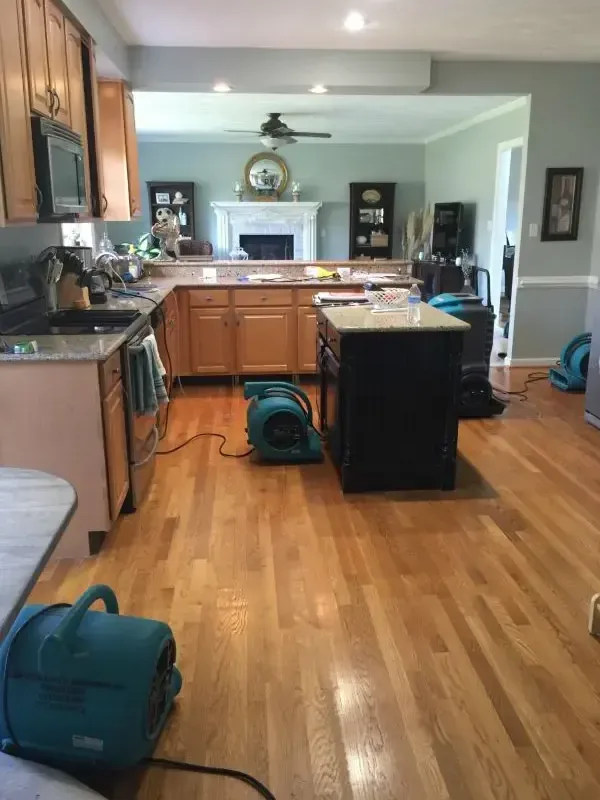
Once the contaminated material is out, structural drying takes over. Air movers and dehumidifiers pull the remaining moisture from framing and subfloors.
Readings are taken each day so the equipment stays until the wood and concrete are dry.
Rooms near the backup are often dried too, because moisture can travel through a wall into the next space.
The same process applies to tile, vinyl and wood flooring, which can hold water underneath long after the top looks dry.
- Wall cavities are opened where moisture is trapped.
- Moisture maps show which areas are still wet.
- Equipment is removed only after dry readings are confirmed.
Calling the right people
The City of Broken Arrow Utilities Department handles water and sewer service and billing, so a backup in a city sewer is worth reporting.
A plumber checks whether the blockage is inside the house or in the main, and a restoration team handles the water and the damage.
The Broken Arrow page for sewage backup cleanup describes the process for homes and businesses here.
Heavy rain years show that a backup is not rare, so it helps to know the steps before the storm, not after it.
- Report the backup to the utility.
- Have a plumber find the blockage.
- Photograph everything before cleanup begins.
Keeping the next storm from becoming a backup
No homeowner can control a city storm sewer, but a few habits reduce the risk of a messy night.
Keep floor drains clear, avoid pouring grease down sinks, and know where the cleanout is so a plumber can reach it quickly.
- Do not flush wipes or paper towels.
- Keep valuables off the floor in lower rooms.
- Pay attention to slow drains before a storm.
- Save the utility contact where you can find it in the dark.
Questions
Is a sewage backup the same as a storm water flood?
They are different sources but often arrive together in heavy storms. Both are contaminated, so the cleanup removes porous materials and sanitizes what stays.
What happened in the 2006 flooding?
Up to 7 inches of rain fell in about 3 hours, flooding 44 homes, at least 14 with major damage, in Glen Eagle and Steeplechase.
Can I keep using my toilet during a backup?
No. Using fixtures sends more water into the pipes and can increase the backup.
Who handles sewer service?
The City of Broken Arrow Utilities Department handles water and sewer service and billing.
What gets thrown away after a sewage backup?
Carpet, pad, insulation and porous drywall touched by sewage are usually removed. Hard surfaces and framing are sanitized and dried.