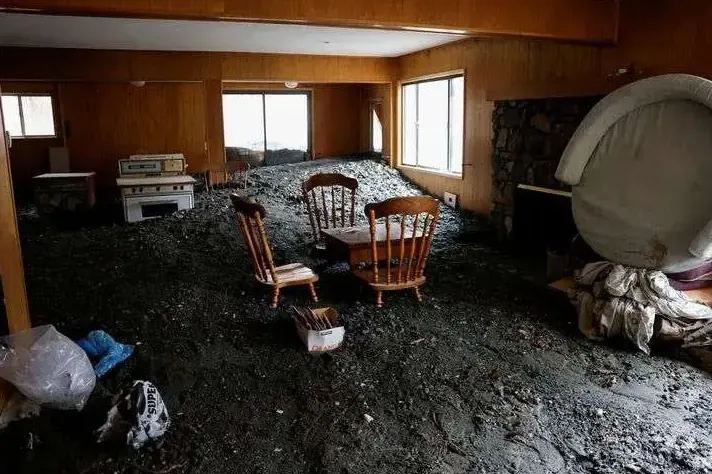
A flash flood does its damage in a few hours, but the cleanup afterward decides whether a house recovers or keeps getting worse.
Key takeaways
- Rock Creek flooded near Taft and alternate Highway 75 in May and again in June 2015, and flash flooding hit several parts of town on June 6, 2026.
- Flood water is contaminated, so photographs come first and then porous materials come out.
- Standing water is pumped and extracted before any drying equipment is placed.
- Wet framing and subfloors need measured drying, with readings taken until they are dry.
- Police warned drivers to turn around and not drown during the June 2026 flooding.
A creek that has done this before
The south side neighborhood near Taft and alternate Highway 75 sits beside Rock Creek and is known for repeated flooding.
In May 2015, extensive flooding near Rock Creek forced city firefighters to evacuate residents and rescue people by boat.
The USGS gauge on Rock Creek at Sapulpa lists a drainage area of 67.3 square miles, which is a lot of land sending water to one creek after a hard rain.
That is part of why a storm can raise the creek fast, and why homes beside it have been hit more than once.
- May 2015: firefighters evacuated residents and used boats.
- June 2015: Rock Creek was again out of its banks near Taft and alternate Highway 75, threatening homes already damaged in May.
- June 6, 2026: flash flooding hit areas including South Hickory Street, near Kelly Lane Park and near Taft.
What the June 2026 flooding looked like
During the June 2026 flooding Sapulpa Police warned drivers to turn around and not drown, and the Red Cross responded to people needing help.
A flash flood is fast, and the water can drop almost as quickly as it came. That leaves a house with a wet interior and a short window to act.
Streets near South Hickory Street, Kelly Lane Park and Taft were among the areas hit, so the water did not stay in one corner of town.
For homeowners, the first hours matter most: the water is gone from the street, but it may still be in the house.
Many flooded houses look better after the water drains, but mud lines, damp carpet and a heavy smell tell the real story.
- Check garages and lower rooms first.
- Look inside closets and under cabinets.
- Check heating and cooling equipment for water.
Step one: safety and photographs
Do not enter a house with water still standing at the panel or on floors where cords lie.
Once it is safe, photograph the waterline on every wall, the floors and any damaged contents.
Wear boots and gloves, and treat everything the water touched as contaminated.
What to record
Pictures support insurance claims and help any aid request, so be thorough.
A short video walking through each room works well too.
- The height of the waterline on walls.
- Damaged furniture, appliances and flooring.
- Mud and debris on floors.
- The date and time the water entered.
What to avoid
Do not throw things away before they are photographed, and do not use wet electronics.
Avoid mixing bleach with other cleaners, since fumes can hurt lungs.
Step two: getting the water out
Pumps move the bulk of the water, and extraction wands then pull what remains from carpet, pad and tile.
Homes that took creek water are handled as contaminated, so the work uses protective gear and keeps the dirty water away from clean rooms.
Speed matters because water keeps wicking up drywall and into insulation for as long as it sits.
A pump can move a lot of water in a short time, but extraction wands are what pull moisture out of fibers.
The water extraction work is what stops the damage from climbing the walls, and the local flood pages show where it applies in town.
Every hour that water sits in the house adds to the tear out list, so a quick start is the cheapest part of the whole job.
- Pump standing water from floors.
- Extract water trapped in carpet and pad.
- Remove silt and debris by shovel before drying.
- Bag and remove soaked soft materials.
Step three: tear out what cannot be saved
Drywall, insulation and pad that soaked in flood water are usually removed, because they hold dirty water and cannot be fully cleaned.
Cutting drywall a little above the waterline exposes the wall cavity so it can dry and be sanitized.
The flood water cleanup page explains how those decisions are made room by room.
Flooring is judged by type. Carpet and pad usually go, while tile and sealed concrete can often be cleaned.
Wood floors need readings before anyone decides, since they sometimes dry and settle back.
- Remove carpet, pad and wet insulation.
- Cut drywall above the waterline where needed.
- Sanitize framing and subfloor before closing anything up.
Step four: drying and monitoring
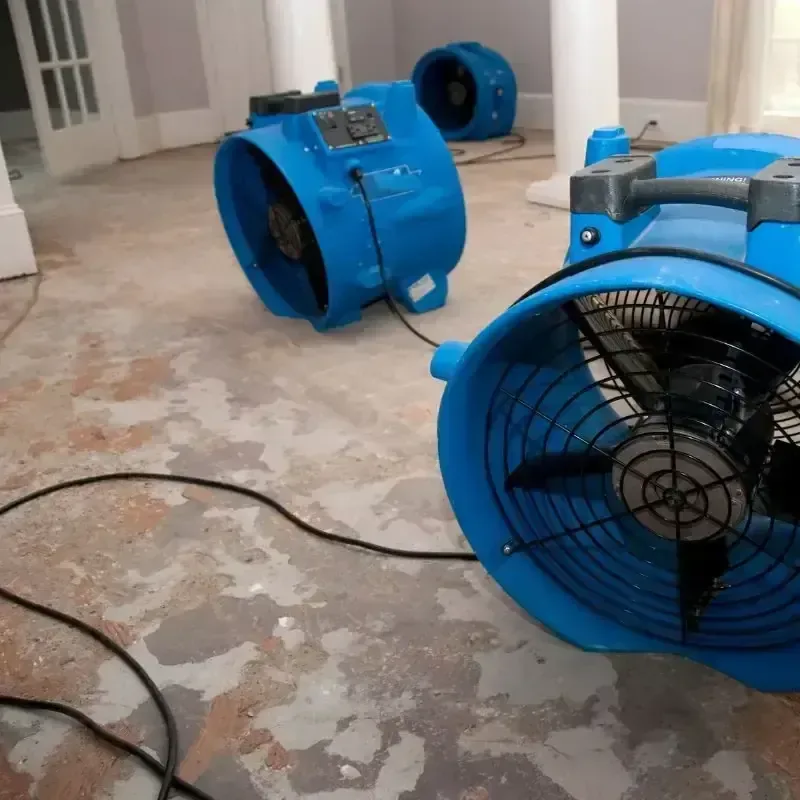
After removal, air movers and dehumidifiers run on the framing, subfloor and concrete until readings return to normal.
After the Rock Creek flooding in May 2015, wet framing and subfloors needed drying equipment and monitoring. The same holds after any flash flood, and the structural drying page for the town describes it.
Drying in summer or fall humidity takes longer than people expect, so the moisture readings set the schedule and not the calendar.
- Moisture readings are taken daily and logged.
- Machines are moved as wall sections dry.
- The job is done when framing and floors reach dry levels.
How the city helps and what to report
City crews remove debris from storm drains, ditches, channels and storm sewers to prevent backups into streets and homes.
Residents can report a sewer leak, water leak or clogged culvert through the City of Sapulpa online portal, which can help the next time a creek rises.
The stormwater system includes storm sewer lines, ditches, open channels and drains, and it drains more than 129 stream miles.
A clear ditch and an open culvert near your home reduce the chance that the next storm ends up in your living room.
- Keep ditches and culverts near your property clear of trash.
- Report a clogged culvert before the rain, not after.
- Save photos of past flooding to show where water goes.
Questions
Which part of Sapulpa floods near Rock Creek?
The south side neighborhood near Taft and alternate Highway 75 sits beside Rock Creek and is known for repeated flooding, including in May and June 2015.
What happened on June 6, 2026?
Flash flooding hit areas including South Hickory Street, near Kelly Lane Park and near Taft. Police warned drivers and the Red Cross responded.
Should I take photos before cleaning?
Yes. Photograph the waterline, floors and contents before anything is moved, since those images support claims and aid requests.
Can wet drywall be saved after flood water?
Usually not. Flood water is contaminated, so drywall, insulation and pad that soaked in it are normally removed while framing is cleaned and dried.
How do I report a clogged culvert?
The City of Sapulpa online portal lets residents report a sewer leak, water leak or clogged culvert.