Structural Drying and Dehumidification in Sapulpa, OK
After the water is out, the framing and subfloor still hold moisture. Crews place air movers and dehumidifiers by a moisture map and keep taking readings until the structure reaches its dry goals.
(888) 619-9509Need drying? Call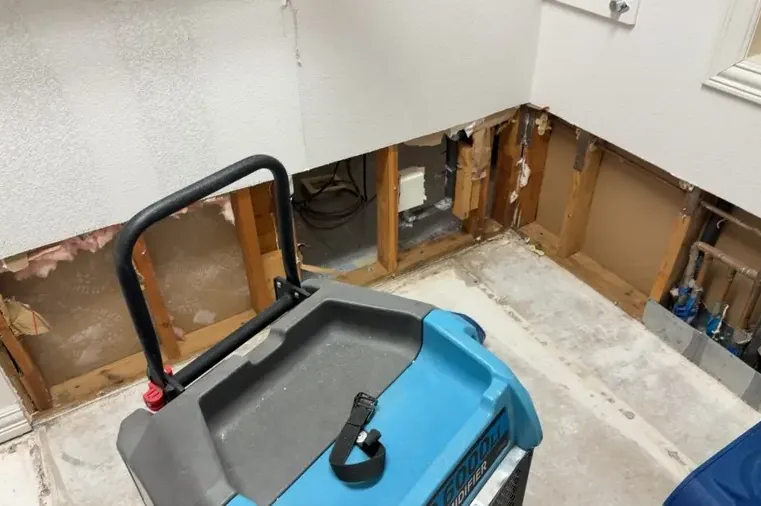
Why trained drying pros matter for this job in Sapulpa
Rapid local response
Dispatch runs 24/7, and active water is treated as urgent at any hour, holidays and ice storm nights included.
IICRC S500 drying standard
Structural drying, not surface drying: air movers and LGR dehumidifiers sized to the class of loss and left until readings say dry.
Claim-ready documentation
Moisture maps, daily psychrometric logs and timestamped photos taken before any demolition go into the claim file.
Local water experts
River flood plain, creek runoff, hard freezes and storm-driven rain all shape how water gets into homes south of Tulsa.
First steps for structural drying and dehumidification right now
A drying job runs in four steps, from the first meter reading to the final sign-off.
- Map the moisture. Meters and cameras mark wet materials so equipment goes where it is needed.
- Set the equipment. Air movers and dehumidifiers are placed to dry all wet surfaces and cavities.
- Check each day. Readings are taken at each visit, and equipment is moved as areas dry.
- Confirm dry goals. Final readings show the structure is dry, and the equipment comes out.
What does structural drying and dehumidification cost in Sapulpa, OK?
Drying a small Class 1 or 2 loss often costs $1,000 to $2,500, and a heavy Class 4 job can reach $6,000 or more. Wet material volume sets the class.
Class 1 or 2
- Limited wet area only
- Standard equipment set
- Short drying run
Class 3
- Walls and ceilings wet
- More equipment needed
- Longer monitoring period
Class 4
- Dense materials wet
- Specialty drying
- Extended run
Ranges are typical, not a quote: the water category, square footage, material class and how fast drying started move the number most.
How structural drying and dehumidification is handled in Sapulpa, step by step
Classify the loss
The crew rates the water category and drying class, which decides equipment type and quantity. The rating is written into the job file.
Place the gear
Equipment is set by the moisture map, with airflow aimed at wall bottoms, subfloors and cavities. Doors stay open between rooms so air can circulate.
Monitor and adjust
Daily readings direct moves, and extra equipment is added to areas that dry slowly.
Close out the job
When goals are met, equipment is removed, and the logs and photos are packaged for the adjuster.
A surface that feels dry can still hold water inside the studs, plates and subfloor. Structural drying brings that hidden moisture out with controlled airflow and dehumidification, and meters prove when the job is done.
What the equipment does
Air movers push dry air across wet surfaces to release moisture, and dehumidifiers pull it out of the air so the cycle continues. Placement follows the moisture map, not a fixed formula.
- Air movers aimed along wall bases
- LGR dehumidifiers for typical losses
- Desiccant units for dense or cold materials
- Thermal cameras and pin meters for checks
Water cleaned up but the house still feels damp? Moisture left in walls and floors keeps doing damage, so a drying plan finishes the job.
Book a drying planWhy flood events need it
After the May 2015 flooding near Rock Creek, wet framing and subfloors in affected houses needed drying equipment and monitoring to prevent lasting damage. The same principle applies after any large water loss.
Dry to the reading, not the touch
A floor or wall can feel dry long before the wood inside has released its water. Only meter readings against dry goals show that the structure is really done. Skipping the final check is the most common reason odors and warping show up later.
Classes and daily checks
The S500 standard classifies drying jobs by how much material is wet and how fast it will release water. The crew visits daily to read the meters, move equipment and adjust the plan. When every reading reaches target, the equipment is removed and the log is saved for the insurer.
When drying goes wrong
Equipment that is turned off early, placed without a map or left in rooms with doors closed often leaves moisture behind. That moisture can swell trim, warp floors and cause lasting odors. A steady plan keeps airflow moving and checks cavities that are easy to miss. Opening cavities is described on the water extraction page, and the flood cleanup page covers heavier events.
Structural drying and dehumidification across Sapulpa and nearby towns
Rapid local response, 24/7, wherever the water got in.
Structural drying crews work across the city, from homes near Rock Creek and Kelly Lane Park to downtown buildings, wherever framing and subfloors have absorbed water. Commercial buildings are included.
The same service nearby: structural drying and dehumidification in Bixby, Glenpool, Jenks.
Water damage restoration in SapulpaRelated water damage services in Sapulpa
Structural Drying and Dehumidification questions, answered
Still dealing with the water?
Water gone but walls still damp? Get a measured drying plan started.
(888) 619-9509 Begin moisture removalHow long does structural drying take?
Usually three to five days, though heavy losses can take longer. Daily readings decide when it is finished.
Why does the equipment run all day?
Drying is a steady process. Air movers and dehumidifiers work together, and stopping early leaves moisture inside the framing.
Will the equipment be loud?
It makes noise like fans and appliances, but crews place it to limit disruption and explain what each unit does.
Are there different types of dehumidifiers?
Yes. LGR units suit most losses, while desiccant units help in cold or dense material situations.
What if a wall will not dry?
If readings stall, the crew may open the wall further or remove the material, since trapped moisture can lead to lasting damage.
Does insurance cover drying?
Drying after a covered loss is typically part of the claim. Daily logs and final readings help show the work was needed.
Can I use my own fans?
Household fans help a little but cannot match professional air movers and dehumidifiers, and they do not provide readings.
Can drying equipment be moved during the job?
Yes. As areas reach dry goals, units are moved to wetter spots, which is why daily visits and readings matter.
Finish the dry-out the right way
A call sends meters and drying equipment, so moisture in the framing and subfloor is tracked down and removed.
(888) 619-9509Start the drying plan in Sapulpa