River and Creek Flood Cleanup in Broken Arrow, OK
Creek and river water leaves silt, bacteria and soaked materials behind. In Broken Arrow the crew strips what cannot be saved, cleans and disinfects the rest and dries the structure to the S500 standard.
(888) 619-9509Ask about flood help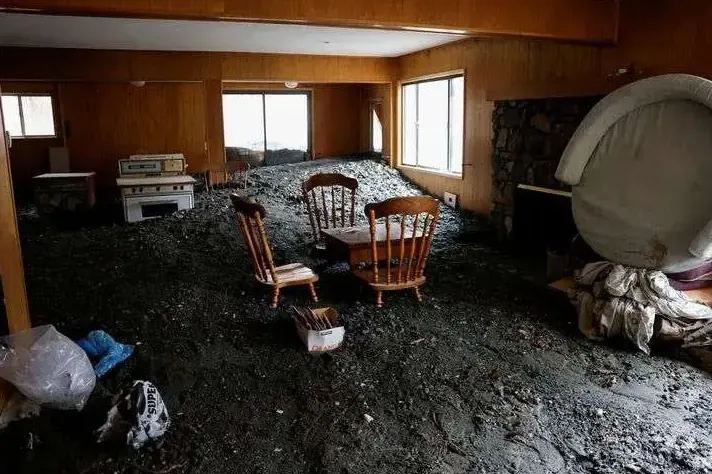
Why trained drying pros matter for this job in Broken Arrow
Rapid local response
Dispatch runs 24/7, and active water is treated as urgent at any hour, holidays and ice storm nights included.
IICRC S500 drying standard
Structural drying, not surface drying: air movers and LGR dehumidifiers sized to the class of loss and left until readings say dry.
Claim-ready documentation
Moisture maps, daily psychrometric logs and timestamped photos taken before any demolition go into the claim file.
Local water experts
River flood plain, creek runoff, hard freezes and storm-driven rain all shape how water gets into homes south of Tulsa.
First steps for river and creek flood cleanup right now
Flood recovery follows a firm order, because removal has to happen before drying can work.
- Make it safe. Utilities are checked, protective gear goes on and the crew marks which rooms touched flood water.
- Clear the debris. Mud, silt and ruined contents are cleared out so the floor and walls can be reached.
- Remove and disinfect. Porous materials soaked in flood water come out, and the remaining surfaces are cleaned and disinfected.
- Dry and verify. Dehumidifiers and air movers run until readings show the structure is dry, with a record for the claim.
What does river and creek flood cleanup cost in Broken Arrow, OK?
River and creek flood cleanup commonly runs $4,000 to $15,000 or more. Water that reached only a garage stays near the bottom, while a whole house with sewage in the water lands at the top.
Garage or one room
- Silt in a small area
- Contents hauled out
- Short dry-out afterward
Ground floor
- Flood water throughout
- Drywall cut at the high water mark
- Full disinfection
Whole house
- Water on every level
- Heavy disinfection work
- Extended drying
Ranges are typical, not a quote: the water category, square footage, material class and how fast drying started move the number most.
How river and creek flood cleanup is handled in Broken Arrow, step by step
Safety check
The crew checks electrical, gas and structural hazards, then outfits technicians in boots, gloves and respirators before anyone enters the affected rooms.
Debris removal
Silt, mud and ruined belongings are shoveled and bagged, giving the crew a clear view of the floors and the base of every wall.
Tear out
Carpet, pad, insulation and drywall that soaked up flood water are removed in controlled sections, and surfaces are scrubbed and disinfected.
Dry out
Dehumidifiers and air movers run while readings are logged until the structure reaches its dry goal, then the file is handed over for the claim.
Flood water differs from a pipe leak because it arrives carrying silt, sewage and bacteria. Cleanup is less about drying and more about removing what the water contaminated, then disinfecting and drying what stays.
Where flood water comes from here
Haikey Creek and Battle Creek drainageways have sections inside FEMA Special Flood Hazard Areas, and Broken Arrow Creek and the Arkansas River floodplain are also named flood concerns. The most common FEMA zones in the city are Zone AE and Zone X, and the city takes part in FEMA's Community Rating System. Homes outside the mapped zones are not immune, since heavy rain can overwhelm storm drains anywhere in the city.
Water from a creek or river is never clean. Silt and bacteria settle into floors and walls, and the crew brings protective gear and a cleanup plan.
Share the flood detailsWhat the cleanup involves
- Silt and debris shoveled and hauled out of affected rooms
- Carpet, pad, insulation and low drywall removed when contaminated
- Hard surfaces cleaned and treated with disinfectant
- Air movers and dehumidifiers set once the structure is clean
Anything porous that touched flood water is treated as contaminated, since silt carries bacteria deep into fibers and wood. Solid materials such as framing and concrete are cleaned and dried instead, which keeps the rebuild smaller and the cost lower.
Flood damage and your policy
Standard homeowner policies can treat rising water differently from a burst pipe, and flood coverage may be a separate policy. Photograph everything before cleanup, keep every receipt and ask the insurer which documents it wants. The crew's moisture logs and photos support whichever claim applies.
Lessons from recent floods
In May 2006 up to 7 inches of rain in about 3 hours flooded 44 homes in the Glen Eagle and Steeplechase subdivisions, and at least 14 had major damage. In May 2019 the Arkansas River flooded across eastern Oklahoma and Wagoner County urged voluntary evacuations of low-lying areas. Floods like these show why a cleanup plan should be ready before the water level drops, because mud dries hard and bacteria spread as it does.
River and creek flood cleanup across Broken Arrow and nearby towns
Rapid local response, 24/7, wherever the water got in.
Flood cleanup reaches homes near Haikey Creek and Battle Creek, subdivisions such as Glen Eagle and Steeplechase, and low-lying properties along the Arkansas River floodplain in Tulsa and Wagoner counties.
The same service nearby: river and creek flood cleanup in Bixby, Coweta, Jenks.
Water damage restoration in Broken ArrowRelated water damage services in Broken Arrow
River and Creek Flood Cleanup questions, answered
Still dealing with the water?
Creek or river water in the house? Describe it and the crew builds a cleanup plan.
(888) 619-9509 Share what floodedIs flood water the same as a plumbing leak?
No. Flood water comes from outside and carries silt, bacteria and sometimes sewage, so cleanup removes more materials and uses disinfectant. A supply pipe leak starts clean and usually allows more drying in place.
Which materials usually have to be thrown out?
Carpet, pad, insulation, particleboard and drywall that soaked up flood water are normally removed. Solid wood and concrete can often be cleaned and dried. The crew explains each decision before anything is discarded.
Do homes in FEMA flood zones need a permit to rebuild?
In FEMA flood hazard areas a floodplain development permit is needed in addition to a building permit, and finished floors must meet the Base Flood Elevation. Check with the city before starting repairs.
How long does a flood dry-out take?
Cleanup and removal can fill the first days, then drying runs several more while equipment is checked and moved. Larger losses and thick materials take longer, and readings decide when the work is done.
What did the May 2006 flooding teach homeowners?
Up to 7 inches of rain in about 3 hours flooded 44 homes, and an overflowing retention pond was blamed in Glen Eagle and Steeplechase. Low drywall had to be ripped out and walls and floors dried.
How much does flood cleanup cost?
A garage or one room runs $4,000 to $6,500, a ground floor $6,500 to $11,000 and a whole house $11,000 to $15,000 or more. Contaminated water and long exposure push totals higher.
Get the mud and water out
Flood water carries contamination, so cleanup moves from removal to disinfection to drying with records kept at each step.
(888) 619-9509Call about flood damage