Appliance and Supply Hose Leaks in Glenpool, OK
Washing machines, dishwashers and refrigerators leak through hoses and fittings, often unseen for days. The crew traces the water, removes it and dries cabinets, floors and walls.
(888) 619-9509Dry out the appliance leak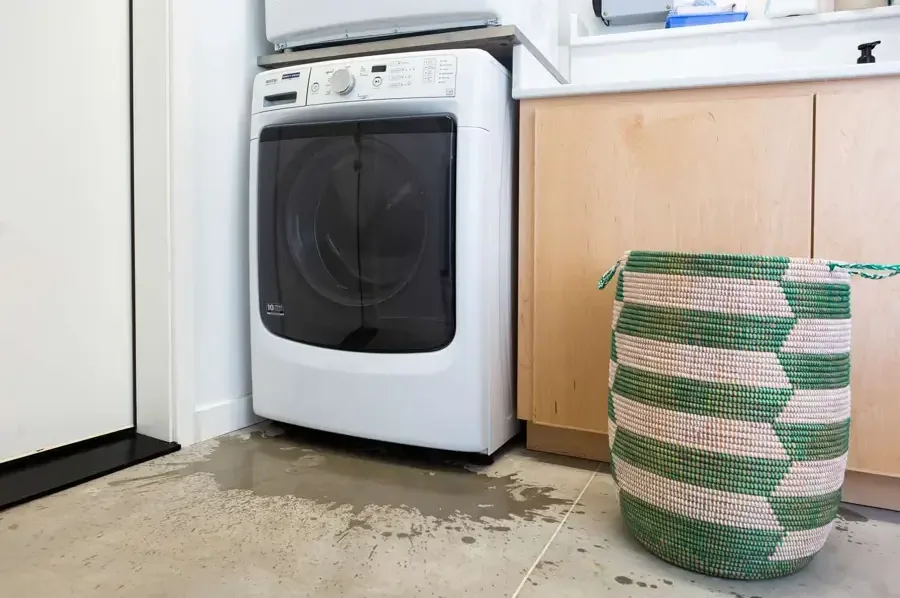
Why trained drying pros matter for this job in Glenpool
Rapid local response
Dispatch runs 24/7, and active water is treated as urgent at any hour, holidays and ice storm nights included.
IICRC S500 drying standard
Structural drying, not surface drying: air movers and LGR dehumidifiers sized to the class of loss and left until readings say dry.
Claim-ready documentation
Moisture maps, daily psychrometric logs and timestamped photos taken before any demolition go into the claim file.
Local water experts
River flood plain, creek runoff, hard freezes and storm-driven rain all shape how water gets into homes south of Tulsa.
First steps for appliance and supply hose leaks right now
A leaking appliance should be shut down quickly. These steps limit the damage. Each takes only a moment.
- Shut off the supply. Close the valve behind the appliance or the main water valve. Turning the valve a quarter turn is usually enough to stop the flow.
- Unplug the appliance. Disconnect power before touching a wet unit or its cord. Wet cords and plugs are an electrical hazard.
- Pull the unit out. Move the appliance if safe to see where water has gone.
- Take photos. Photograph the hose, the wet floor and cabinets for the insurer.
What does appliance and supply hose leaks cost in Glenpool, OK?
Appliance leak cleanup in Glenpool typically costs $1,000 to $1,800 when caught fast and $3,500 to $5,000 or more after a slow leak of weeks. Cabinets and flooring affect the price.
Caught fast
- Small wet area near the unit
- Floor extraction
- Brief drying
Under cabinets
- Toe kicks and trim removed
- Subfloor dried
- Several days of drying
Slow leak, weeks
- Rotted flooring replaced
- Cabinet work
- Extended drying
Ranges are typical, not a quote: the water category, square footage, material class and how fast drying started move the number most.
How appliance and supply hose leaks is handled in Glenpool, step by step
Trace the water
Meters and thermal imaging follow the moisture from the appliance under cabinets and into walls. The source is identified so the plumber or appliance technician knows where to look.
Extract and remove
Standing water is pulled out and soaked flooring, toe kicks or pad are removed.
Dry the layers
Air movers and dehumidifiers dry the subfloor, cabinet bases and lower drywall. Enclosed cabinet bases get extra attention.
Record the loss
Photos and logs are assembled so the adjuster can see the source and the drying results.
Appliance leaks are among the most common household water losses. The cause is often a cracked hose, a loose clamp or a clogged drain, and the water can run for a long time before a stain shows.
A growing area, more appliances
Glenpool had 4,851 households in 2020, and the city keeps growing. Every one of them has a washer, a dishwasher and often a refrigerator with an ice maker, each fed by hoses that wear out.
- Washer supply hoses that bulge or crack
- Dishwasher drains and inlet valves
- Refrigerator ice maker supply tubes
- Water heater and sink connections nearby
Appliance leaking or floor soft near the washer? Water is likely under the flooring. Call the crew to check and dry it.
Report the applianceWhere the water goes
Appliance water often runs under cabinets and behind toe kicks, where it cannot be seen. Laminate and vinyl flooring let it seep beneath. A moisture survey around the appliance finds the true extent.
Slow leaks cost more
A small drip behind a dishwasher can run for weeks, rotting subfloor and feeding odors. By the time a cabinet door sticks or a floor feels soft, the damage is deep. Moisture checks under and around the appliance catch what the eye misses and keep repairs from growing.
Gray water and drying
Washers and dishwashers can release gray water, which carries soap and dirt. Porous materials like pad may need removal. Cabinet bases, baseboards and subfloor are opened and dried with air movers and dehumidifiers until readings reach dry goals.
Preventing the next leak
Most appliance floods start with a rubber hose that has aged out. Replacing old washer hoses with braided ones, checking connections every few months and knowing where each shutoff valve sits cuts the odds sharply. After a loss, structural drying makes sure the cabinets and subfloor are truly dry before new flooring goes down, and a leaking tank elsewhere in the house is covered under water heater leak cleanup.
Appliance and supply hose leaks across Glenpool and nearby towns
Rapid local response, 24/7, wherever the water got in.
Appliance leak cleanup serves Glenpool kitchens, laundry rooms and utility closets, and reaches nearby Tulsa County towns. Washer closets, dishwasher alcoves and refrigerator spaces all get checked for water that traveled out of sight.
The same service nearby: appliance and supply hose leaks in Bixby, Jenks, Sapulpa.
Water damage restoration in GlenpoolAppliance and Supply Hose Leaks questions, answered
Still dealing with the water?
Spotted water near an appliance? Tell the crew and get a plan to find and dry it.
(888) 619-9509 Describe the leak sourceWhich appliances leak most often?
Washing machines, dishwashers and refrigerators with ice makers. Supply hoses and drain connections are the usual weak points. Aging rubber hoses fail first and most often.
Will insurance cover an appliance leak?
Sudden hose failures are commonly covered, while long term seepage may not be. The adjuster decides based on documentation. Photos of the hose and the wet area make the file stronger.
Why is the floor soft near the appliance?
Water has likely soaked the subfloor from a slow leak. A moisture survey shows how far it goes and what has to come out.
Can cabinets be saved?
Often yes, if water is caught quickly and the bases are dried. Swollen particle board is usually replaced. Solid wood bases hold up better than pressed board.
Is the water dangerous?
Water from a supply hose is clean. Washer or dishwasher drain water is gray and carries soap and dirt, so porous materials may be discarded.
How long does drying under cabinets take?
Typically several days, since enclosed spaces dry slowly. Openings and air movers speed it up. A damp cabinet needs open air to finish drying.
How can I prevent another leak?
Replace old hoses, check connections regularly and know where the shutoff valve is.
Dry the kitchen or laundry room
Hidden water keeps damaging flooring and cabinets. One call starts tracing and drying at your Glenpool home.
(888) 619-9509Call about the appliance