Appliance and Supply Hose Leaks in Sapulpa, OK
A washer hose, dishwasher seal or refrigerator supply can leak for hours or weeks before anyone notices. Crews dry the floor, cabinet bases and walls the water reached.
(888) 619-9509Appliance leaking? Call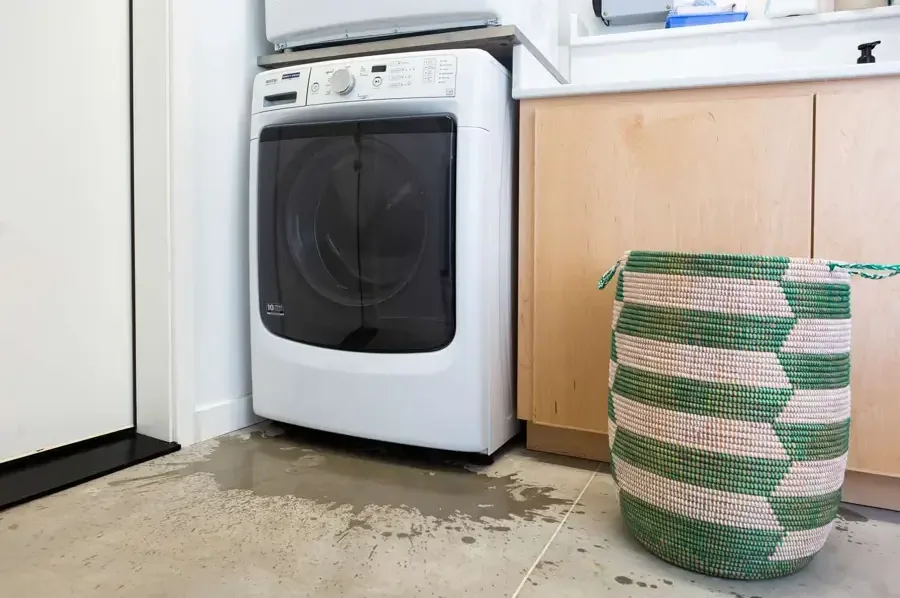
Why trained drying pros matter for this job in Sapulpa
Rapid local response
Dispatch runs 24/7, and active water is treated as urgent at any hour, holidays and ice storm nights included.
IICRC S500 drying standard
Structural drying, not surface drying: air movers and LGR dehumidifiers sized to the class of loss and left until readings say dry.
Claim-ready documentation
Moisture maps, daily psychrometric logs and timestamped photos taken before any demolition go into the claim file.
Local water experts
River flood plain, creek runoff, hard freezes and storm-driven rain all shape how water gets into homes south of Tulsa.
First steps for appliance and supply hose leaks right now
Appliance leak cleanup follows these steps once the water is shut off and the floor is safe to enter.
- Shut off the supply. The valve to the appliance is closed and the unit unplugged if the floor is dry enough to do so safely.
- Extract the water. Wands and pumps remove standing water and draw moisture from the floor surface.
- Open and dry hidden spots. Toe kicks and wall bottoms are opened so air can reach wet cabinet bases.
- Verify dryness. Meters confirm floors and cabinets are dry, and the loss is documented.
What does appliance and supply hose leaks cost in Sapulpa, OK?
A leak caught fast usually costs $1,000 to $1,800 to dry, while a slow leak that ran for weeks can reach $5,000 or more. Hidden spread adds time.
Caught fast
- Small area wet, no hidden spread
- Quick extraction
- Short drying run
Under cabinets
- Cabinet bases wet
- Flooring lifted
- Toe kicks opened for airflow
Slow leak, weeks
- Hidden spread
- Subfloor wet
- Extended drying
Ranges are typical, not a quote: the water category, square footage, material class and how fast drying started move the number most.
How appliance and supply hose leaks is handled in Sapulpa, step by step
Stop the flow
The crew confirms the valve is closed and the appliance is secured so no more water reaches the floor.
Remove surface water
Extraction clears the floor, and soaked rugs, mats and pad are pulled out before they hold moisture.
Dry cabinets and floors
Air is directed under cabinets and into wall bottoms, with dehumidifiers pulling the moisture out of the room.
Document the cause
Photos of the failed part and the wet areas, plus readings, support the claim for the sudden damage.
Household appliances connect to the water supply through hoses and seals that wear out. When one fails, water spreads quietly under cabinets and flooring, often for a long time before it shows.
Where leaks come from
The failure may be a cracked supply hose, a loose clamp, a worn door seal or a blocked drain pan. A slow drip behind a refrigerator can soak a floor for weeks.
- Washing machine supply hoses
- Dishwasher door seals and drain hoses
- Refrigerator ice maker connections
- Sink supply and drain connections
Water around the washer, dishwasher or fridge? Close the valve and call. Drying under the cabinets quickly keeps the bases from swelling.
Get the kitchen driedWhy cabinets matter
Water settles under cabinets and behind toe kicks where air cannot reach. Particle board bases swell and weaken when wet, so they are checked with meters and opened when needed.
Slow leaks cause the biggest surprises
A drip behind an appliance may run for weeks, quietly soaking the floor and cabinet base. If flooring feels soft or smells musty near a unit, have it checked with a moisture meter. A quick meter check costs little compared with replacing swollen cabinets.
Drying the kitchen or laundry
The crew shuts off the supply, extracts water, and lifts flooring that cannot be saved. Air movers are directed under cabinets and along wall bottoms, with dehumidifiers to pull moisture from the air. Readings and photos go into the claim file.
Checking for a hidden appliance leak
Not every leak announces itself. A floor that feels soft near the dishwasher, a washer closet that smells musty or paint that bubbles at a baseboard are all signs worth checking. Moisture meters and a thermal camera show how far the water has traveled before anything is torn out. Once the wet area is mapped, the crew follows the same structural drying process used on larger losses, and the plumber replaces the failed hose or fitting.
Appliance and supply hose leaks across Sapulpa and nearby towns
Rapid local response, 24/7, wherever the water got in.
Appliance leak work covers kitchens and laundry rooms of homes across the city, from houses by Kelly Lane Park to apartments close to downtown. Homes along the Route 66 corridor are included.
The same service nearby: appliance and supply hose leaks in Bixby, Glenpool, Jenks.
Water damage restoration in SapulpaAppliance and Supply Hose Leaks questions, answered
Still dealing with the water?
Appliance leak soaking the floor? Get it dried before the cabinets swell.
(888) 619-9509 Get the floors driedHow fast can a washer hose flood a room?
A burst hose runs at full pressure, so a laundry room can flood in the time it takes to find the valve.
Do cabinets have to be replaced?
Not always. Solid wood bases can dry, but swollen particle board often cannot. Meters help decide.
Is an appliance leak covered by insurance?
Sudden leaks are commonly covered, while slow leaks and the failed appliance may not be. The adjuster checks the policy.
How can I tell there is a slow leak?
Look for soft flooring, musty odors, stains at cabinet bases or a higher water bill. A moisture check confirms it.
How long does drying take?
Typically three to five days, longer when cabinets, subfloor and wall bottoms are all wet.
Should the hose be replaced?
Yes. A failed or aging hose should be replaced, and braided metal versions are a common upgrade.
Can the flooring be saved?
Tile often can be. Laminate and engineered planks may swell, and carpet pad is usually replaced.
Should the washer hose be checked regularly?
Yes. A glance at the hose and clamps every few months catches bulges and rust, and replacing old rubber hoses is cheap protection.
Dry out the appliance leak
One call sends extraction and drying equipment so floors and cabinet bases are dried the right way.
(888) 619-9509Call the dry-out crew