Water Extraction and Removal in Glenpool, OK
Standing water ruins subfloors and drywall quickly. The crew pumps it out, lifts what is soaked and sets drying equipment so the structure can dry and return to normal.
(888) 619-9509Get the water pumped out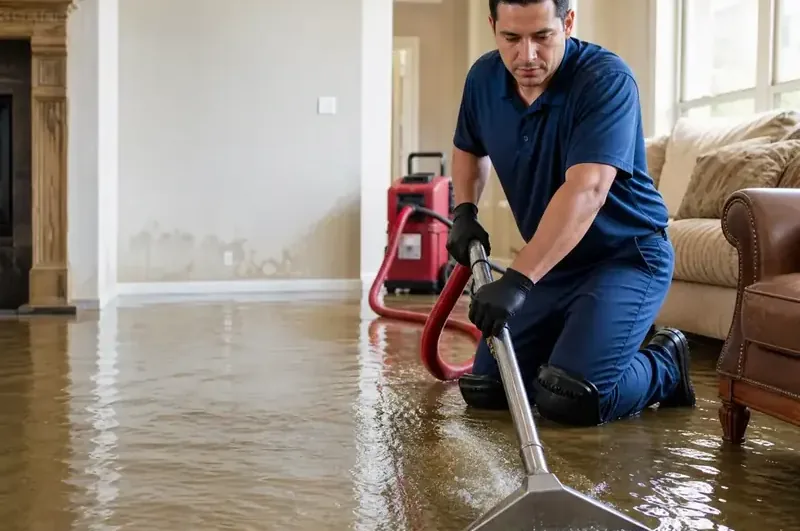
Why trained drying pros matter for this job in Glenpool
Rapid local response
Dispatch runs 24/7, and active water is treated as urgent at any hour, holidays and ice storm nights included.
IICRC S500 drying standard
Structural drying, not surface drying: air movers and LGR dehumidifiers sized to the class of loss and left until readings say dry.
Claim-ready documentation
Moisture maps, daily psychrometric logs and timestamped photos taken before any demolition go into the claim file.
Local water experts
River flood plain, creek runoff, hard freezes and storm-driven rain all shape how water gets into homes south of Tulsa.
First steps for water extraction and removal right now
Standing water does the most harm while it sits. A few small actions protect the home and the claim before the crew arrives.
- Stop the source. Close the main shutoff or the appliance valve so no new water reaches the floor.
- Stay out of deep water. Turn off power to wet areas and avoid walking through water near outlets or cords.
- Lift small items. Move rugs, furniture legs and electronics onto dry surfaces or off the floor.
- Photograph the water. Take dated photos of the water level and the source before the crew starts removing it.
What does water extraction and removal cost in Glenpool, OK?
Water extraction in Glenpool typically runs from $1,200 for a single wet room to $5,500 or more for a whole floor. Cost follows the water depth, the area covered and how long it sat.
One room
- Pump out one room
- Carpet pad lifted
- Drying equipment set
Several rooms
- Water in a hallway too
- Wet drywall trimmed
- Extra air movers
Whole floor
- Floor wide extraction
- Flooring removed
- Several days of drying
Ranges are typical, not a quote: the water category, square footage, material class and how fast drying started move the number most.
How water extraction and removal is handled in Glenpool, step by step
Assess the water
The crew measures depth and spread, checks for hazards and decides whether the water is clean, gray or contaminated before any pump is started.
Pump and extract
Larger pumps clear deep water, then extraction wands work over carpet and hard floors until the surface stops giving up water.
Remove soaked materials
Pad, baseboards and damaged drywall that cannot dry in place are removed so air can reach the wet layers underneath.
Hand off to drying
Air movers and dehumidifiers take over from extraction, and moisture readings are logged until the structure reaches its dry goal.
Water extraction is the first job after water gets loose inside a home. Pulling standing water out by machine is far quicker than waiting for it to evaporate, and it keeps moisture from creeping into subfloors, baseboards and wall cavities.
When extraction is the right call
Heavy rain has left standing water around Glenpool before, and that water finds garages, low rooms and door thresholds. Any time water pools deep enough to see, extraction should come before fans and dehumidifiers.
- Water pooled on a floor after a pipe or hose failure
- Carpet and pad squishing underfoot after a storm
- Hardwood cupping or lifting near an exterior door
- Water pushed through a threshold during a downpour
Is water still sitting on the floor? The longer it stays, the further the damage spreads. Call the crew and get extraction under way.
Report standing waterHow the water comes out
Extraction wands glide over carpet and hard flooring, while larger pumps handle deeper water in garages and low rooms. Pad is often lifted and discarded because it holds water that surface passes cannot reach. Once visible water is gone, moisture meters check the layers beneath so nothing is left to swell or sour.
Extraction before fans
Running fans over standing water just moves the moisture around. Water is pumped out first, then air movers and dehumidifiers are set up so the drying that follows has far less water to deal with. That order saves flooring and shortens the whole job. Homeowners who start with fans alone often find the pad and baseboards still soaked days later.
What happens after the water is out
Extraction removes most of the volume, not all of the moisture. Wood, drywall and concrete still hold water that has to be pulled out slowly with air movers and dehumidifiers. The crew sets that equipment room by room, takes daily readings and stops only when each material reaches its dry goal. Records from every visit go into a file for the insurance adjuster.
Related losses and next steps
Extraction is rarely the whole job. Water from a leaking tank is covered in water heater leak cleanup, while flood water from outside follows river and creek flood cleanup. After either, structural drying removes the moisture that machines cannot pump out. A clear scope at the start keeps costs predictable. Each step is documented.
Water extraction and removal across Glenpool and nearby towns
Rapid local response, 24/7, wherever the water got in.
Extraction crews work across Glenpool, from homes near Lambert Park to properties along U.S. Route 75, and reach neighboring Tulsa County towns when needed. Any floor with standing water gets the same method: pump first, dry second.
The same service nearby: water extraction and removal in Bixby, Jenks, Sapulpa.
Water damage restoration in GlenpoolWater Extraction and Removal questions, answered
Still dealing with the water?
Water on the floor right now? Describe it to the crew and get a plan.
(888) 619-9509 Ask the pump crewHow long does water extraction take?
A single room often needs a short visit, while a whole floor takes longer. Depth, floor type and access decide the pace, and drying equipment follows extraction on the same job.
Can carpet be saved after extraction?
Sometimes. Carpet exposed to clean water can often be dried in place, while the pad is usually replaced. Gray or black water makes carpet a throwaway, and the crew explains which applies before removing anything.
Is standing water after heavy rain an emergency?
Yes. Rain has left standing water across Glenpool before, and water that sits against walls and floors soaks in. The longer it stays, the more drywall and flooring have to be replaced.
Should the power be turned off first?
If water is near outlets, panels or extension cords, power to that area should be shut off first. Never step into deep water around live electrical equipment. The crew checks hazards on arrival.
Does extraction replace the need for drying?
No. Extraction removes standing water, but wood, drywall and concrete still hold moisture. Air movers and dehumidifiers finish the job, and readings confirm when everything is dry.
Will insurance cover water extraction?
Sudden water loss, such as a burst pipe or a failed appliance, is commonly covered. Flood damage often needs separate coverage. The crew supplies photos, readings and logs for the adjuster.
What if the water came from outside?
Water that enters from outside carries dirt and bacteria, so it is treated as contaminated. Extraction is followed by removal of porous materials and cleaning of surfaces.
What should be moved before the crew arrives?
Small furniture, rugs and electronics can be lifted out of the water. Leave carpet, pad and walls in place, because the crew needs them for moisture readings and the claim record.
Get the water out of your Glenpool home
Standing water spreads into walls and subfloors. One call puts pumps, wands and drying equipment on the job.
(888) 619-9509Call for extraction