River and Creek Flood Cleanup in Glenpool, OK
Flood water brings silt, bacteria and long soaking times into a home. The crew removes the water and mud, takes out what cannot be cleaned and dries the structure to measured goals.
(888) 619-9509Start the flood recovery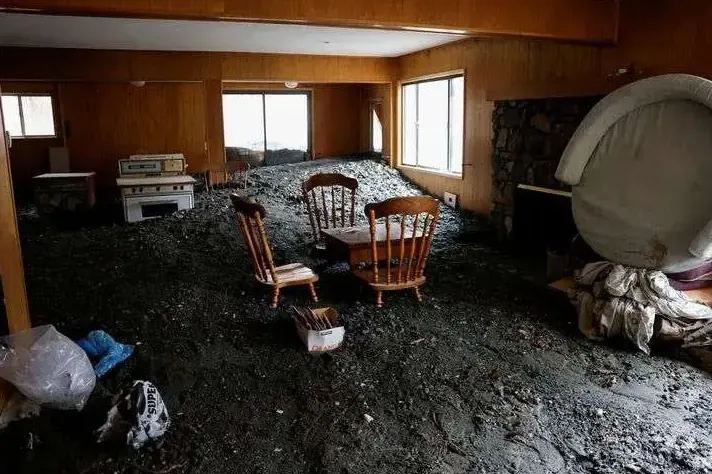
Why trained drying pros matter for this job in Glenpool
Rapid local response
Dispatch runs 24/7, and active water is treated as urgent at any hour, holidays and ice storm nights included.
IICRC S500 drying standard
Structural drying, not surface drying: air movers and LGR dehumidifiers sized to the class of loss and left until readings say dry.
Claim-ready documentation
Moisture maps, daily psychrometric logs and timestamped photos taken before any demolition go into the claim file.
Local water experts
River flood plain, creek runoff, hard freezes and storm-driven rain all shape how water gets into homes south of Tulsa.
First steps for river and creek flood cleanup right now
Flood cleanup moves fast once the water drops. Starting right makes the claim easier.
- Stay out until safe. Avoid wading through flood water, which can hide debris, hazards and electrical danger. Floodwater can hide sharp objects.
- Shut off the power. Cut electricity to wet areas if you can reach the panel without standing in water.
- Photograph everything. Record the high water mark, damaged belongings and the rooms affected before cleanup.
- Call your carrier. Report the loss and ask whether flood coverage applies to the damage. Keep every receipt.
What does river and creek flood cleanup cost in Glenpool, OK?
Flood cleanup in Glenpool commonly costs $4,000 to $6,500 for a garage or room and $11,000 to $15,000 or more for a whole house. Water depth and contamination drive the total.
Garage or one room
- One contaminated area
- Silt and debris removed
- Surfaces sanitized
Ground floor
- Flooring and pad removed
- Lower drywall cut out
- Full structural drying
Whole house
- Every level affected
- Extensive demolition
- Weeks of dry down
Ranges are typical, not a quote: the water category, square footage, material class and how fast drying started move the number most.
How river and creek flood cleanup is handled in Glenpool, step by step
Make the area safe
Hazards are checked, power is isolated and protective gear goes on before anyone enters a flooded space. Notes go into the file.
Remove water and mud
Pumps clear the water, then silt, debris and ruined contents are hauled out of the building.
Clean and sanitize
Contaminated materials come out, and every surface that stays is washed with antimicrobial products.
Dry and document
Air movers and dehumidifiers run until readings meet dry goals, with a full record kept for the claim. Nothing is rebuilt until readings pass.
Flood water is not the same as a plumbing leak. It arrives carrying soil, bacteria and debris, so the work is part demolition, part cleaning and part drying, all done in a set order to protect the people living in the house.
Why heavy rain matters here
Recent rains have left standing water across Glenpool, and full creeks add to the runoff. When that water reaches a garage or ground floor, it is treated as contaminated from the start.
- Silt and mud tracked across floors
- Carpet and pad soaked with dirty water
- Drywall wicking water up the wall
- Contents that need sorting and cleaning
Flood water in the house? Dirty water is a health risk and gets worse quickly. Call the crew for safe removal and cleanup.
Report the floodWhat the cleanup involves
Water is pumped out first, then mud and debris are shoveled and bagged. Porous materials like carpet, pad and low drywall usually come out, because they cannot be made safe once contaminated. Hard surfaces are washed and sanitized before drying begins.
Contaminated water rules
Flood water counts as category 3. That means anything porous it touched, such as carpet, pad, insulation and low drywall, is usually removed instead of dried. Hard materials like concrete and sealed tile can be cleaned. Knowing the category early prevents spending time drying materials that are not safe to keep.
Flood coverage and permits
The city takes part in the National Flood Insurance Program through FEMA and issues floodplain development permits. Owners rebuilding after a flood should ask the city about permits and confirm what their own policy covers before repairs start.
After the water is out
Once the mud is gone and surfaces are sanitized, drying finishes the job. Structural drying pulls moisture from framing and concrete, and any sewage mixed with flood water is handled as in sewage backup cleanup. Rebuilding should wait for dry readings and, where needed, the city's permit. Rushing repairs is how problems come back.
River and creek flood cleanup across Glenpool and nearby towns
Rapid local response, 24/7, wherever the water got in.
Flood cleanup covers Glenpool homes on low ground and near creeks, and extends to nearby South County neighborhoods that see runoff after storms. Low rooms and garages are checked first.
The same service nearby: river and creek flood cleanup in Bixby, Jenks, Sapulpa.
Water damage restoration in GlenpoolRelated water damage services in Glenpool
River and Creek Flood Cleanup questions, answered
Still dealing with the water?
Flood water inside? Describe the damage and the crew will lay out the cleanup steps.
(888) 619-9509 Discuss flood cleanupIs flood water dangerous?
Yes. It can carry bacteria, sewage and chemicals from the ground. Protective gear is used during removal, and anything porous that soaked it up is usually discarded.
Does homeowners insurance cover floods?
Often not. Flood damage is typically a separate policy, and the city takes part in the National Flood Insurance Program through FEMA. The policy language and the carrier decide coverage.
How long does flood cleanup take?
Removal and sanitizing may take a few days, followed by drying that runs until readings are dry. Larger losses with heavy demolition take longer.
Can wet drywall be saved?
Drywall that wicked contaminated water is normally cut out well above the water line. Clean water can sometimes be dried in place, but flood water rarely qualifies.
Do I need a permit to rebuild?
The city issues floodplain development permits and provides flood map information. Ask the city before major rebuilding, since cleanup and drying do not replace the permit conversation.
Should I worry about mold after a flood?
It is a real concern, since growth can start in 24 to 48 hours in damp materials. Fast removal, sanitizing and complete drying are the best defense.
What happens to my belongings?
Items are sorted into what can be cleaned, what needs specialist help and what must go. Photos are taken first so the claim lists everything.
Recover your home after the flood
Contaminated water keeps harming materials until it is removed. One call starts safe cleanup and drying.
(888) 619-9509Call for flood help