Sewage Backup Cleanup in Glenpool, OK
Sewage is black water and a health hazard. The crew wears protective gear, removes the contaminated water and porous materials and sanitizes the whole area before drying begins.
(888) 619-9509Clean up the backup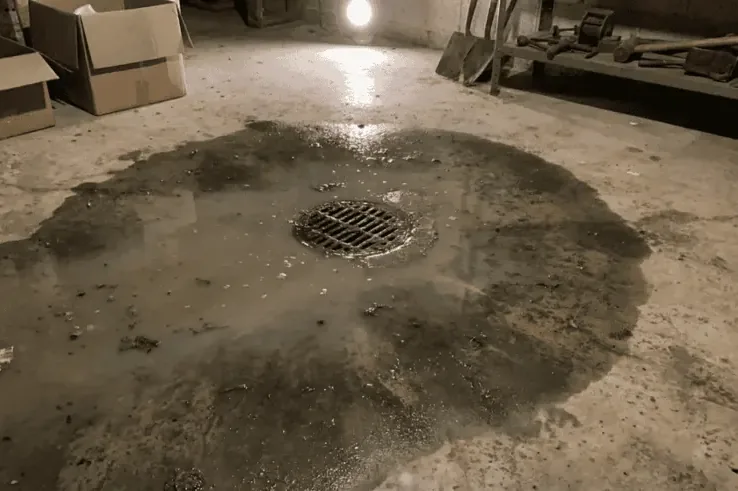
Why trained drying pros matter for this job in Glenpool
Rapid local response
Dispatch runs 24/7, and active water is treated as urgent at any hour, holidays and ice storm nights included.
IICRC S500 drying standard
Structural drying, not surface drying: air movers and LGR dehumidifiers sized to the class of loss and left until readings say dry.
Claim-ready documentation
Moisture maps, daily psychrometric logs and timestamped photos taken before any demolition go into the claim file.
Local water experts
River flood plain, creek runoff, hard freezes and storm-driven rain all shape how water gets into homes south of Tulsa.
First steps for sewage backup cleanup right now
Sewage is a health hazard. Keep it simple and safe until trained help arrives.
- Leave the area. Keep family members and pets out of rooms with sewage on the floor. Closing doors helps contain odors.
- Stop using water. Avoid flushing toilets or running drains, which can push more sewage in.
- Report the backup. Notify City Public Works and your insurance carrier about the problem. Keep records of every call.
- Wait to touch things. Do not handle contaminated belongings without gloves and boots.
What does sewage backup cleanup cost in Glenpool, OK?
Sewage backup cleanup in Glenpool typically costs $2,500 to $4,000 for one bathroom and $7,000 to $10,000 or more when it spreads widely. Contaminated water means extra removal and cleaning.
One bathroom
- Single room fully affected
- Flooring removed and bagged
- Sanitizing done
Several rooms
- Hallway and bedrooms
- Drywall cut out
- Antimicrobial treatment
Widespread
- Whole level affected
- Extensive removal
- Extended drying
Ranges are typical, not a quote: the water category, square footage, material class and how fast drying started move the number most.
How sewage backup cleanup is handled in Glenpool, step by step
Protect and assess
Crew members put on protective gear, shut off the affected area and test where the water went.
Remove contaminated water
Pumps and wands pull out sewage, and affected porous materials are bagged for disposal.
Clean and sanitize
Hard surfaces are scrubbed and treated with antimicrobial products, and the area is cleaned a second time.
Dry and verify
Equipment dries the structure and final readings confirm it is ready for repairs.
A sewage backup is more than a messy spill. The water carries bacteria and other pathogens, so cleanup follows stricter rules than a clean water leak, and shortcuts put the household at risk.
Who to call about the sewer
City Public Works takes reports of water leaks and sewer backups, and it has an after hours contact for sewer emergencies. The city can look at the public side of the system. Cleanup inside the home is a separate job for the restoration crew.
- Report the backup to City Public Works
- Keep people and pets out of the area
- Do not flush toilets or run water
- Call the cleanup crew for removal
Sewage in the house? Keep clear and call the crew for safe extraction and sanitizing. Protective gear and proper disposal come standard on every job.
Report the sewageWhat gets removed
Carpet, pad, insulation and low drywall that touched sewage cannot be reliably cleaned and are discarded. Hard surfaces are washed and treated with antimicrobial products. Contents are sorted by what can be cleaned and what cannot.
Why gear matters
Sewage water holds pathogens that can cause illness through skin, eyes or the air. Crews wear gloves, boots, masks and protective suits and seal off the work area so contamination does not travel to clean rooms. Skipping those steps endangers the people who live in the home.
Sanitizing and drying
After the contaminated materials are out, the area is cleaned again and dried with air movers and dehumidifiers. Air scrubbers can help with odor. Final readings confirm the structure is dry and ready for repairs.
Drying and rebuilding afterward
When the contaminated materials are out and the surfaces are sanitized, drying finishes the work. Standing sewage is cleared first, much like water extraction, and when floodwater is mixed in, river and creek flood cleanup applies. Repairs begin only after readings show the structure is dry and clean.
Sewage backup cleanup across Glenpool and nearby towns
Rapid local response, 24/7, wherever the water got in.
Sewage backup cleanup serves Glenpool and nearby Tulsa County towns. City Public Works handles reports of sewer backups on the public side. Bathrooms, laundry rooms and floor drains are the most common backup points.
The same service nearby: sewage backup cleanup in Bixby, Jenks, Sapulpa.
Water damage restoration in GlenpoolRelated water damage services in Glenpool
Sewage Backup Cleanup questions, answered
Still dealing with the water?
Sewage on the floor? Stay clear and describe it to the crew for a safe cleanup plan.
(888) 619-9509 Ask about sewageIs sewage backup an emergency?
Yes. Sewage is a health hazard and spreads quickly across floors. Keep everyone out and call for professional cleanup.
Who is responsible for the sewer pipe?
Responsibility depends on where the blockage sits. City Public Works takes reports of sewer backups, and a plumber can find the cause inside the home.
Will insurance cover a sewage backup?
Many policies cover it only with a specific endorsement. Check the policy, and keep photos and records for the claim.
Can carpet be cleaned after sewage?
Usually not. Porous materials that absorb contaminated water are normally removed and replaced, while hard surfaces can be sanitized.
How long does the cleanup take?
Removal and sanitizing often take a day or two, followed by several days of drying. Larger losses take longer.
Is there a smell afterward?
Odors linger if contaminated materials stay. Removal, cleaning and air treatment normally clear the smell once the structure is dry.
What should I not do?
Do not use household cleaners on sewage soaked carpet, run a vacuum or touch the water barehanded. These steps spread contamination or injure people.
Get the home clean and safe
Contaminated water harms people and materials. One call to the crew starts cleanup at your Glenpool home.
(888) 619-9509Call about sewage