Ceiling Leak Water Damage in Glenpool, OK
A stained or sagging ceiling means water is trapped above it. The crew finds the extent, drains and removes the wet drywall and dries the cavity before the damage spreads.
(888) 619-9509Fix the wet ceiling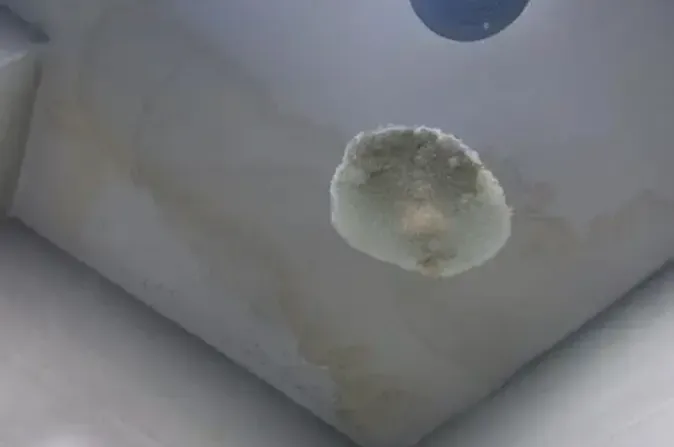
Why trained drying pros matter for this job in Glenpool
Rapid local response
Dispatch runs 24/7, and active water is treated as urgent at any hour, holidays and ice storm nights included.
IICRC S500 drying standard
Structural drying, not surface drying: air movers and LGR dehumidifiers sized to the class of loss and left until readings say dry.
Claim-ready documentation
Moisture maps, daily psychrometric logs and timestamped photos taken before any demolition go into the claim file.
Local water experts
River flood plain, creek runoff, hard freezes and storm-driven rain all shape how water gets into homes south of Tulsa.
First steps for ceiling leak water damage right now
A leaking ceiling can fail without notice. These steps keep people safe and the damage contained.
- Stay out from under it. Keep people and pets away from any sagging section of ceiling. A fall from a wet ceiling can injure a person.
- Stop the source. Shut off the water supply if a pipe or fixture above is leaking.
- Place a bucket. Catch drips and move furniture and electronics out of the room. Moving things early saves them.
- Take photos. Record the stain, sag and source before any cleanup begins.
What does ceiling leak water damage cost in Glenpool, OK?
Ceiling leak water damage in Glenpool runs about $1,200 to $2,300 for a small stain and $4,000 to $5,500 or more when two floors are wet. Opening the ceiling adds to the cost.
Small stain
- One small ceiling spot
- Minor drywall cut
- Short drying
Opened ceiling
- Large wet section removed
- Insulation replaced
- Cavity dried
Two floors wet
- Upper and lower rooms
- Walls and flooring wet
- Extended drying period
Ranges are typical, not a quote: the water category, square footage, material class and how fast drying started move the number most.
How ceiling leak water damage is handled in Glenpool, step by step
Check the extent
Meters and thermal imaging show how far the water spread above and beside the visible stain. The source is noted so the right trade can follow.
Drain and open
Trapped water is released safely, then wet drywall and insulation are cut out of the ceiling.
Dry the cavity
Air movers and dehumidifiers run until joists and surrounding drywall read dry. Joists get the longest runs.
Record and hand off
Documentation is completed for the owner, the roofer or plumber and the adjuster. Nothing is closed up until dry.
Ceiling leaks look small from below. Above the drywall, water can spread across insulation and framing, and the weight of trapped water is what makes a ceiling sag. Acting early keeps repairs small.
Where ceiling water comes from
The source may be a roof opening, a plumbing leak or a fixture on the floor above. Storm season in Tornado Alley can send water through roofing into ceilings, while upstairs bathrooms and pipes cause leaks in any season.
- Roof leaks after severe storms
- Leaking pipes or drains above
- Overflowing tubs and fixtures upstairs
- Condensation from failing equipment
Stain spreading on the ceiling? Water is probably above it. Call the crew to check and dry the area.
Report the ceilingWhy sagging ceilings are urgent
Drywall soaked with water gets heavy and soft. A sagging section can drop without warning and bring insulation with it. Draining a small release hole and keeping people out of the room limits the risk until the crew arrives.
Why ceilings sag
Drywall can only carry so much water. When insulation above it fills up, the board softens and bows. Pressing on a bulge or ignoring a drip can end in a collapse. The safe route is to keep clear, stop the source and have the section opened and dried by the crew.
How the cavity gets dried
The crew cuts out the wet section, removes insulation and checks surrounding drywall with meters. Air movers and dehumidifiers dry the joists and the room. Clean water from a pipe can sometimes dry the cavity without replacing as much material.
After the ceiling is dry
Once readings are steady, the opened section can be patched and painted without trapping moisture. If a roof opening caused the water, see roof leak water damage, and if a pipe was the source, burst pipe water damage explains the plumbing side. Fixing the source first is what keeps the new paint clean.
Ceiling leak water damage across Glenpool and nearby towns
Rapid local response, 24/7, wherever the water got in.
Ceiling leak cleanup is offered across Glenpool and extends to nearby Tulsa County towns whenever water finds its way into a ceiling. Bathrooms, bedrooms and hallways under roofs or upstairs fixtures are the usual starting points.
The same service nearby: ceiling leak water damage in Bixby, Jenks, Sapulpa.
Water damage restoration in GlenpoolRelated water damage services in Glenpool
Ceiling Leak Water Damage questions, answered
Still dealing with the water?
Ceiling dripping or bowing? Describe it to the crew and get a plan for draining and drying.
(888) 619-9509 Ask about ceilingsWhy is my ceiling stained?
A stain is usually water wicking through drywall from above. The source could be a roof opening, a pipe or a bathroom fixture, and the stain shows only part of the wet area. A brown ring usually means the water has been there a while.
Can a stained ceiling just be painted?
Painting over a stain traps moisture behind it. The cavity should be checked and dried first, or the stain and odor tend to return.
Is a sagging ceiling an emergency?
Yes. Water adds weight, and the section can fall. Keep clear of it and call for help right away.
Will insurance cover ceiling water damage?
Sudden leaks from pipes or storms are commonly covered. Gradual seepage may not be. The adjuster decides after reviewing documentation.
Does the whole ceiling need to come down?
Usually not. Wet sections are cut out and the cavity is dried, while dry areas stay. Meters show where to stop.
How long until the room is dry?
Most ceiling cavities need several days with fans and dehumidifiers. Readings, not appearance, decide when the equipment comes out. Thick joists and insulation extend the schedule.
Can storms cause ceiling leaks?
Yes. Severe storms can lift shingles or flashing, and rain follows the opening into the attic and ceiling below.
Dry the wet ceiling
Trapped water gets heavier and spreads. One call starts the ceiling cleanup at your Glenpool home.
(888) 619-9509Request ceiling help