Roof Leak Water Damage in Glenpool, OK
Severe storms can open a roof and send rain through the attic into ceilings and walls. The crew removes soaked insulation and drywall, extracts the water and dries the framing.
(888) 619-9509Dry out the storm leak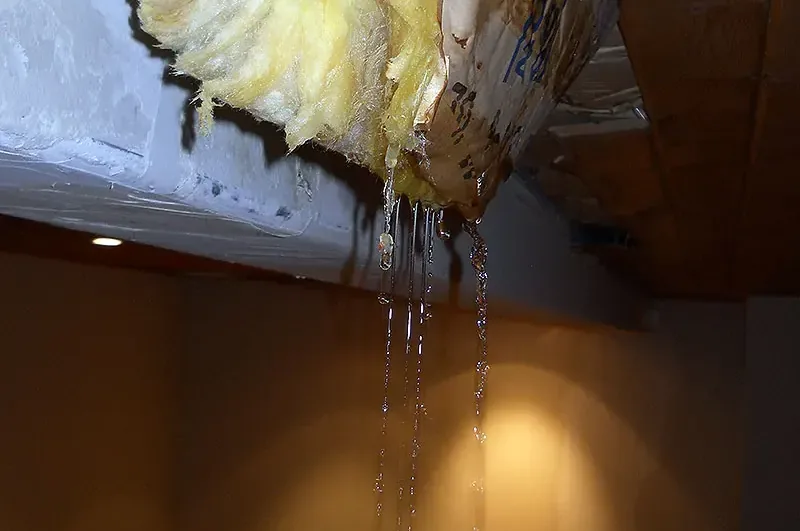
Why trained drying pros matter for this job in Glenpool
Rapid local response
Dispatch runs 24/7, and active water is treated as urgent at any hour, holidays and ice storm nights included.
IICRC S500 drying standard
Structural drying, not surface drying: air movers and LGR dehumidifiers sized to the class of loss and left until readings say dry.
Claim-ready documentation
Moisture maps, daily psychrometric logs and timestamped photos taken before any demolition go into the claim file.
Local water experts
River flood plain, creek runoff, hard freezes and storm-driven rain all shape how water gets into homes south of Tulsa.
First steps for roof leak water damage right now
After a storm leak, quick actions protect belongings and keep the claim clean. Start with the safest ones.
- Cover the opening. Have a roofer tarp the damaged area so more rain stays out.
- Contain the drip. Place buckets under active drips and move belongings out of the way.
- Keep clear of bulges. If a ceiling bulges with water, stay out from under it and let the crew handle the release.
- Photograph the roof and rooms. Record the damaged roofing, ceilings and wet insulation for the insurer.
What does roof leak water damage cost in Glenpool, OK?
Roof leak water damage in Glenpool generally costs $1,500 to $2,800 for a small leak and $5,000 to $7,000 or more when several rooms are wet. Roof repair is a separate cost.
Small leak
- One ceiling spot
- Insulation patch removed
- Short drying
Attic and room
- Attic insulation removed
- Ceiling opened
- Dehumidifying room
Several rooms
- Water in multiple rooms
- Drywall replaced
- Extended drying
Ranges are typical, not a quote: the water category, square footage, material class and how fast drying started move the number most.
How roof leak water damage is handled in Glenpool, step by step
Find the wet zones
Moisture meters and thermal cameras locate water in the ceiling, walls and attic above. Attic readings are included.
Extract and remove
Water is pulled from low spots, and soaked insulation and damaged drywall are cut away. Debris is hauled away.
Dry the framing
Air movers and dehumidifiers dry rafters, joists and walls until readings reach target levels.
Report the loss
Photos, readings and equipment notes are packaged for the roofer and the insurance adjuster. Both repair and drying records are kept.
A roof leak sends water through layers a homeowner cannot see: shingles, decking, insulation and drywall. By the time a stain appears on the ceiling, the attic above may already be soaked.
Storm season and roofs
Glenpool is in Tornado Alley with a humid subtropical climate, so severe storms and heavy rain are part of the picture. Wind lifts shingles, debris punctures roofing and water follows the opening into the house.
- Missing or lifted shingles
- Punctures from blown debris
- Water stains on ceilings after a storm
- Wet insulation in the attic
Water coming through the ceiling after a storm? Cover the roof opening, then call the crew to dry what got wet.
Flag the storm leakWhat gets wet above the ceiling
Insulation soaks water like a sponge and holds it against drywall and framing for days. Ceilings that look dry from below can hide a saturated attic, so moisture readings go above the ceiling as well as on it.
Hail, wind and your claim
Storm damage claims usually involve both the roof and the interior. Photos of the roof, the ceiling and the wet insulation tell the full story. The drying crew documents interior moisture so the adjuster sees what the rain actually reached, not only the shingles.
Removing and drying
Wet insulation is bagged and removed, and drywall that has sagged or stained is cut out. Air movers and dehumidifiers dry the attic framing and the rooms below. A roofer repairs the opening, and the drying crew works alongside that repair so no new rain undoes the progress.
Roof repair and interior drying
A roofer closes the opening while the drying crew works on the inside, and the two schedules need to line up. Water that reached the ceiling is covered in ceiling leak water damage, and the drying sequence follows structural drying. Keep the roofing invoice and photos for the claim.
Roof leak water damage across Glenpool and nearby towns
Rapid local response, 24/7, wherever the water got in.
Storm leak cleanup covers Glenpool homes and nearby Tulsa County towns. Crews work with roofers so interior drying matches the pace of the roof repair. Attics and upper rooms are checked first.
The same service nearby: roof leak water damage in Bixby, Jenks, Sapulpa.
Water damage restoration in GlenpoolRelated water damage services in Glenpool
Roof Leak Water Damage questions, answered
Still dealing with the water?
Rain finding its way inside? Describe the leak and the crew will plan the drying.
(888) 619-9509 Describe the storm leakShould I worry about a small ceiling stain?
Yes. A small stain often means more water above it. Checking the attic insulation and ceiling cavity keeps hidden damage from spreading.
Does insurance cover storm roof leaks?
Wind and storm damage are commonly covered under homeowners policies, though details vary. Photos and moisture records help the adjuster.
How long can wet insulation stay in the attic?
The sooner it is removed, the better. Wet insulation holds water against wood and drywall, and growth can start in 24 to 48 hours.
Who fixes the roof, and who dries the house?
A roofer repairs the opening, and the water damage crew dries the interior. The two jobs overlap, and temporary covering keeps more rain out in the meantime.
Can wet drywall be dried in place?
Only if it has not sagged, stained or soaked deeply. Drywall that sat under wet insulation usually comes out, since it rarely dries well from one side.
How do you find the source of a roof leak?
Water often enters far from where it shows. Moisture meters, thermal cameras and an attic check trace the path back to the opening.
What if severe weather damages the roof?
Severe weather can strip roofing quickly. Call a roofer for coverage and the drying crew for the interior, and keep photos of every damaged area.
Dry the home after the storm
Storm water keeps soaking insulation and ceilings. One call starts extraction and drying in your Glenpool home.
(888) 619-9509Glenpool storm water help