Roof Leak Water Damage in Sapulpa, OK
Heavy storms test every roof, and water that gets through soaks insulation, ceilings and walls below. Crews dry the attic and rooms affected, then document the loss for your insurer.
(888) 619-9509Roof leaking? Call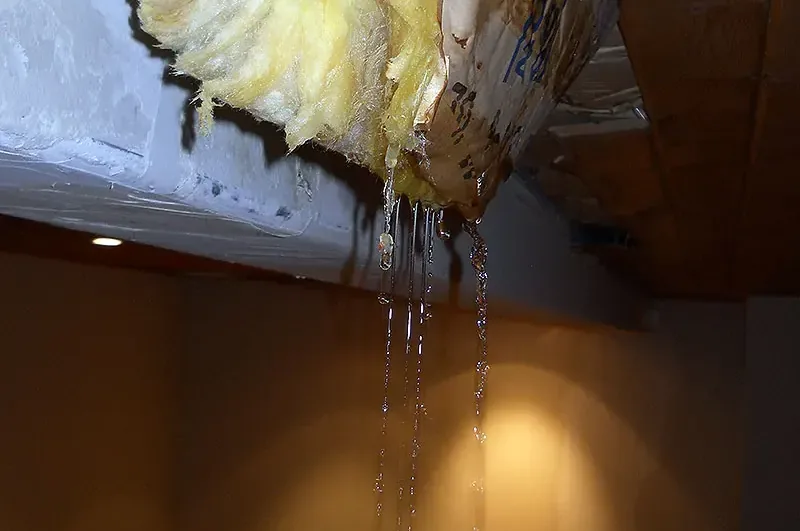
Why trained drying pros matter for this job in Sapulpa
Rapid local response
Dispatch runs 24/7, and active water is treated as urgent at any hour, holidays and ice storm nights included.
IICRC S500 drying standard
Structural drying, not surface drying: air movers and LGR dehumidifiers sized to the class of loss and left until readings say dry.
Claim-ready documentation
Moisture maps, daily psychrometric logs and timestamped photos taken before any demolition go into the claim file.
Local water experts
River flood plain, creek runoff, hard freezes and storm-driven rain all shape how water gets into homes south of Tulsa.
First steps for roof leak water damage right now
A roof leak dry-out moves from the attic down through the rooms below.
- Protect the interior. Contents are covered or moved, and buckets or tarps catch active drips before the work begins.
- Remove wet insulation. Soaked insulation is taken out of the attic space so it stops holding moisture against the framing.
- Open the wet ceiling. Saturated drywall is cut away, and any water trapped above it is drained safely.
- Dry and check. Equipment runs until attic and room readings are normal, and the loss is recorded.
What does roof leak water damage cost in Sapulpa, OK?
A small leak is often $1,500 to $2,800 to dry out, and several affected rooms can reach $7,000 or more. Wet insulation and ceiling area drive the number.
Small leak
- One ceiling spot
- Some insulation out
- Short drying run
Attic and room
- Attic and room wet
- Ceiling opened
- Insulation replaced
Several rooms
- Water in many rooms
- Walls also wet
- Long drying run
Ranges are typical, not a quote: the water category, square footage, material class and how fast drying started move the number most.
How roof leak water damage is handled in Sapulpa, step by step
Stop active water
Tarps and containers limit the damage, and a roofer is called to cover the opening while the interior is handled.
Clear the soaked materials
Wet insulation and ceiling drywall that cannot dry in place are removed, since they hold water against the framing.
Dry the attic and rooms
Air movers and dehumidifiers are set in both the attic and the rooms below, with readings checked on each visit.
Document the storm loss
Photos of the roof opening, stains and removed materials plus moisture logs give the adjuster a clear picture of the damage.
A roof leak starts quietly. Rain finds a gap, soaks the insulation and sheathing, and only later shows up as a brown ceiling stain or a drip. By then the wet area above the ceiling is usually larger than the mark below.
What storms do to roofs
Strong storms can lift shingles, loosen flashing and overwhelm older seals. On June 6, 2026, flash flooding struck areas of Sapulpa, and heavy rain events like it tend to expose the weak points in a roof.
- Missing or lifted shingles
- Failed flashing around vents and chimneys
- Clogged gutters that back water under edges
- Worn seals around skylights
Water dripping through the ceiling after a storm? The wet area above is usually bigger than the stain, so a quick moisture check keeps the damage from spreading.
Check my attic moistureWhat gets wet inside
Water follows the roof deck into insulation, then into the ceiling drywall and down walls. Wet insulation loses its value and holds moisture against wood, so it generally has to come out.
Cover the roof before drying
A dried attic will be soaked again if rain keeps getting in. A roofer should tarp or repair the opening so the restoration crew can finish the dry-out without interruption. Even a small tarp over the damaged area can hold off further soaking.
How the dry-out works
The crew removes wet insulation, opens ceiling sections that hold water, and sets air movers and dehumidifiers to dry the attic and rooms below. A roofer repairs the opening in the roof itself. Readings and photographs are collected for the insurance file.
After the storm passes
Once the rain stops, a quick look at ceilings, attic hatches and upper walls shows where water got in. Photograph stains before anything is touched. If the attic is accessible, a flashlight check for dark insulation helps too. The ceiling leak page covers what happens when the ceiling itself needs to open.
Roof leak water damage across Sapulpa and nearby towns
Rapid local response, 24/7, wherever the water got in.
Roof leak crews work on homes and small buildings across the city, from the streets around South Hickory to houses near Kelly Lane Park and the blocks beside Interstate 44.
The same service nearby: roof leak water damage in Bixby, Glenpool, Jenks.
Water damage restoration in SapulpaRelated water damage services in Sapulpa
Roof Leak Water Damage questions, answered
Still dealing with the water?
Ceiling dripping after a storm? Get the attic and rooms dried.
(888) 619-9509 Get the storm leak driedHow can a roof leak be spotted?
Look for brown ceiling stains, bubbling paint, drips during rain or a musty attic smell. A moisture meter confirms how far the wet area reaches.
Does wet insulation have to be replaced?
Usually yes. Wet insulation loses its value and holds water against wood, so crews remove it and new material is installed after drying.
Is a roof leak covered by insurance?
Storm damage is commonly covered, but wear and neglected maintenance may not be. The adjuster looks at the cause when checking the claim.
How long does drying take?
Typically a few days for a single room and attic section, longer if several rooms or heavy insulation are involved.
Can ceilings be repaired instead of replaced?
Small stained areas that are dry can be repaired and painted. Sagging or soaked drywall is better replaced.
Who fixes the roof?
A roofer repairs the roof. The restoration crew dries the structure and documents the interior loss, and the two jobs are usually scheduled together.
Should the attic be checked after a storm?
Yes. Water can sit in insulation for days without showing in the rooms below, and early checks prevent damage from spreading.
Should I climb up to check the roof?
No. Wet roofs are slippery and dangerous. Check from the ground or the attic, and let a roofer inspect the surface.
Dry out after the roof leak
One call sends meters, extraction tools and drying equipment, so storm water is removed from the attic and rooms below.
(888) 619-9509Call the storm crew