Ceiling Leak Water Damage in Sapulpa, OK
A brown stain or sagging patch means water is pooled above the ceiling. Crews open the spot safely, drain and remove what is wet, and dry the space so the damage stops growing.
(888) 619-9509Stained ceiling? Call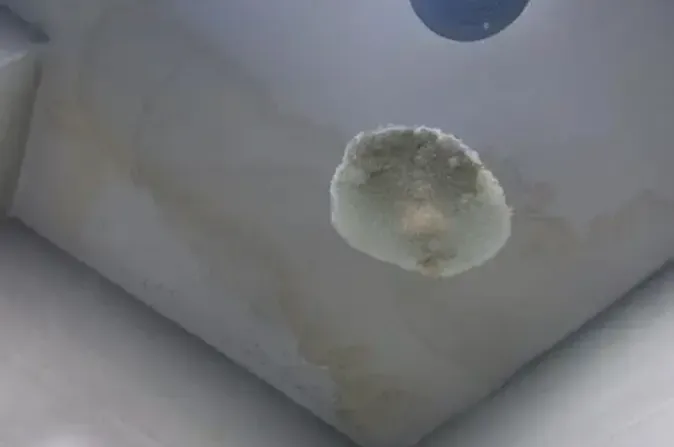
Why trained drying pros matter for this job in Sapulpa
Rapid local response
Dispatch runs 24/7, and active water is treated as urgent at any hour, holidays and ice storm nights included.
IICRC S500 drying standard
Structural drying, not surface drying: air movers and LGR dehumidifiers sized to the class of loss and left until readings say dry.
Claim-ready documentation
Moisture maps, daily psychrometric logs and timestamped photos taken before any demolition go into the claim file.
Local water experts
River flood plain, creek runoff, hard freezes and storm-driven rain all shape how water gets into homes south of Tulsa.
First steps for ceiling leak water damage right now
A ceiling leak is handled in these steps, from draining to dry.
- Relieve the water. A small opening drains trapped water into a bucket so the ceiling does not collapse.
- Cut out the wet drywall. Soaked sections come down, and wet insulation is bagged out of the cavity.
- Dry the space. Air movers and dehumidifiers dry the framing above and the walls and floor below.
- Verify and record. Meters confirm dry readings, and photos and logs are collected for the claim.
What does ceiling leak water damage cost in Sapulpa, OK?
A small ceiling stain often costs $1,200 to $2,300 to dry, while a leak that wet two floors can reach $5,500 or more. The ceiling area opened sets most of the cost.
Small stain
- One small patch wet
- Small relief opening
- Short drying run
Opened ceiling
- Large section removed
- Insulation replaced
- Whole room dried out
Two floors wet
- Water reached lower floor
- Walls also wet
- Extended drying
Ranges are typical, not a quote: the water category, square footage, material class and how fast drying started move the number most.
How ceiling leak water damage is handled in Sapulpa, step by step
Find the source
The crew traces where the water entered, checking the roof, plumbing and rooms above, so the repair targets the real cause.
Drain and open
Trapped water is released safely, and the soaked drywall is cut out to expose the wet cavity.
Dry above and below
Equipment is set in the opened ceiling and in the rooms below, since water often runs down walls as well.
Hand off for repair
Once dry readings are confirmed, the area is ready for new drywall, and the paperwork is organized for the adjuster.
A wet ceiling rarely holds still. Water collects on the back of the drywall until the weight makes it bulge, and what looks like a small stain can hide a large pool, so the first job is to let it out safely.
Where the water comes from
The source may be a roof opening, a supply pipe, a bathroom above or a drain. Heavy rain, including the flash flooding on June 6, 2026 in Sapulpa, is a common trigger for roof-related leaks that appear on ceilings days later.
- Roof openings after a storm
- Supply or drain pipes in the floor above
- Tubs, showers and toilets overhead
- Air conditioning drain overflows
Ceiling bulging or dripping? Keep clear of it, and call. Draining it early can prevent a collapse and save the rest of the room.
Get the ceiling drainedWhy sagging ceilings are urgent
Wet drywall softens and can drop without warning. A small hole made in the lowest point drains the water in a controlled way, which is safer than waiting for the section to give way.
Stay out from under a sagging ceiling
Wet drywall is heavy and can fall without warning. Move people, pets and furniture away from the sagging area, place a bucket under it if you can do so safely, and call for help. If water is dripping near a light fixture, switch that circuit off.
How the cleanup runs
Drywall that is soaked is cut out, wet insulation is removed and the cavity is opened so air can circulate. Dehumidifiers and air movers dry the space, and meters confirm it before repairs begin. Photos and readings are saved for the insurer.
Checking before repainting
Once the ceiling is dry and the source is fixed, the repair is simple: new drywall, tape, texture and paint. Until the meters read normal, though, covering the spot only hides the problem. The roof leak page explains the attic side when a storm is the cause.
Ceiling leak water damage across Sapulpa and nearby towns
Rapid local response, 24/7, wherever the water got in.
Ceiling leak work covers homes and apartments across the city, from houses near Kelly Lane Park to blocks around downtown, wherever storm or plumbing water has pooled overhead.
The same service nearby: ceiling leak water damage in Bixby, Glenpool, Jenks.
Water damage restoration in SapulpaRelated water damage services in Sapulpa
Ceiling Leak Water Damage questions, answered
Still dealing with the water?
Ceiling stained or bulging? Get it drained and dried before it drops.
(888) 619-9509 Drain the stained ceilingWhy is my ceiling stained but not dripping?
Water may be absorbed by the insulation and drywall without dripping. The stain shows where it has reached, and the wet area is often larger.
Can I paint over a ceiling stain?
Not until the source is fixed and the area is dry. Paint over a wet stain traps moisture and the mark will usually return.
Does a sagging ceiling have to come down?
Often only the soaked section. A small relief hole can drain it, and crews then remove just the drywall that cannot be dried.
Is ceiling leak damage covered?
Sudden leaks from storms or plumbing failures are commonly covered, while slow leaks or poor maintenance may not be. The adjuster decides.
How long does drying take?
Usually two to four days after the wet materials are removed, longer if insulation or lower floors are involved.
Could mold grow in the ceiling?
It can begin in roughly 24 to 48 hours in damp materials, which is why wet insulation and drywall are removed and dried promptly.
Who repairs the roof or pipe?
A roofer or plumber fixes the source. The restoration crew dries and documents the damage, and the new drywall follows after.
Is a ceiling stain always from the roof?
No. Bathrooms, supply pipes and air conditioning drains above the ceiling are common sources, so tracing the water comes before any repair.
Stop the ceiling leak damage
A call sends tools to drain the water, remove wet drywall and dry the cavity before the damage spreads to other rooms.
(888) 619-9509Call the ceiling crew